Boost Efficiency: Your Business Guide to AI Virtual Receptionists in 2026
Explore the essential role of AI virtual receptionists in business communication by 2026. This guide details their market impact, cost-saving benefits, and operational advantages. Learn how these digital assistants redefine customer experience and streamline workflows for unparalleled efficiency.

Boost Efficiency: Your Business Guide to AI Virtual Receptionists in 2026
AI Virtual Receptionists are transforming business communication, automating call handling and front office tasks. By 2026, they are a necessity, offering massive operational savings and solving the $126,000 annual revenue loss from missed calls. This guide explores how these intelligent digital assistants provide 24/7 multilingual support, seamless CRM integration, and unparalleled efficiency, helping businesses enhance customer experience and capture more opportunities.
What is the Future of Business Communication in 2026?

Stepping into 2026, the landscape of business communication has undergone a profound transformation. What was once considered a futuristic concept—the AI virtual receptionist—has now become an indispensable component for businesses aiming to thrive. It’s not merely an upgrade; it’s a foundational shift in how organizations interact with their clients and manage inbound inquiries.
Indeed, the virtual receptionist market is now valued at a staggering $4.64 billion, a testament to its transition from a novel idea to an absolute necessity. This rapid growth, projected at a 9.8% CAGR through 2035, is largely fueled by an impressive 42% year-over-year increase in AI adoption across various business functions. We’re seeing 78% of organizations leveraging AI in at least one operational capacity, with customer service automation leading the charge.
This isn't just about automation; it's about redefining efficiency. The traditional reception desk, with its inherent limitations, simply can't keep pace with the demands of modern business. The future of reception desks is undeniably digital, powered by advanced AI.
Imagine a world where no call goes unanswered, where every potential customer feels heard, and operational costs are dramatically reduced. This is the reality that business communication AI brings to the table, marking a clear departure from the past and heralding a new era of always-on, intelligent customer engagement.
Why Can't Your Business Afford to Miss AI Virtual Receptionists Anymore?
It's 2026, and the landscape of business communication has shifted dramatically. If your business is still relying solely on traditional reception methods, you're not just missing out on opportunities; you're actively losing revenue and efficiency. The old ways are now a significant liability in a market demanding instant, always-on service.
The Hidden Costs of the Human Touch
Consider the stark reality: a human receptionist, while valuable, carries a substantial operational cost. We're talking $35,000–$50,000 annually, before benefits or sick days. Compare this to an AI solution averaging $600–$6,000 per year, and the financial gap is impossible to ignore. This translates to up to 85% in operational savings with AI virtual receptionists. The traditional model simply isn't sustainable for maximizing your bottom line.
The Silent Killer: Missed Calls and Lost Revenue
Beyond direct costs, consider the insidious problem of missed calls. Small businesses historically miss a staggering 62% of incoming calls, with 85% of potential customers refusing to call back if unanswered. This isn't just an inconvenience; it's a direct hit to your financial health, averaging an annual revenue loss of $126,000 per SMB. Every missed call means a lost client. For a deeper dive into mitigating these losses, explore how optimizing your customer service can make a difference.
The AI Imperative: Seamless Efficiency and Financial Recovery
This is precisely where AI virtual receptionists become non-negotiable. They offer a powerful antidote, transforming customer interactions and bolstering financial resilience. Imagine automated call handling that never takes a break: 2026-era AI manages hundreds of simultaneous calls without busy signals. These systems offer unlimited concurrency, 24/7/365 availability, 40+ language support, and seamless CRM/calendar integration for autonomous booking. The efficiency with AI receptionist technology is transformative. Businesses leveraging this receptionist automation report a 24% improvement in customer retention and capture 15-20% more after-hours appointments. It's about actively generating new business and ensuring no lead is missed. For more insights, you might find our article on the future of business automation insightful. Embracing AI isn't just an upgrade; it's a strategic necessity for surviving and thriving in the modern market.
How Do AI Virtual Receptionists Redefine Customer Experience?

Gone are the days when a ringing phone went unanswered, or a customer was left waiting on hold. The intelligent front office powered by AI virtual receptionists is fundamentally reshaping how businesses interact with their clients, delivering an enhanced customer experience 2026 that feels seamless and personal.
Imagine a scenario where every single incoming call is met with immediate, intelligent assistance, regardless of the time or volume. Unlike traditional setups that buckle under pressure, AI receptionists offer unparalleled concurrency, effortlessly managing hundreds of calls simultaneously. This means no more busy signals, no lengthy hold times, and certainly no missed opportunities due to limited human capacity.
Instant availability drastically improves customer satisfaction.
These sophisticated digital assistants for offices are more than just answering machines; they are multilingual powerhouses. With instant fluency in over 40 languages, they break down communication barriers, ensuring every customer feels heard and understood, no matter their background. This global reach extends your business's impact, making diverse markets accessible.
Availability is another game-changer. Operating 24/7/365, AI receptionists ensure your business is always open, always responsive. This continuous presence eliminates the frustration of after-hours voicemails or missed appointments, leading to a significant boost in customer retention and appointment capture rates, especially outside conventional business hours. Customers appreciate a business that is always there for them.
Furthermore, seamless integration with Customer Relationship Management (CRM) systems like Salesforce and HubSpot, along with calendar applications, allows these AI systems to perform tasks autonomously. From scheduling appointments and providing information to routing calls and updating client records, they handle administrative burdens with precision. This not only streamlines operations but also ensures a consistent, informed interaction every time, redefining what an enhanced customer experience 2026 truly means.
What Hidden Costs Are You Avoiding with AI Receptionist Automation?
It's easy to look at a traditional receptionist's salary and think you have the full picture. However, when we at BG AIPlacers guide businesses through automation, what consistently surprises them are the deep, often invisible, financial drains that an AI virtual receptionist effortlessly eliminates.
The True Cost of a Human Receptionist
Beyond the base salary, which typically ranges from $35,000 to $50,000 annually, the expenses associated with a human receptionist balloon rapidly. Factor in benefits—health insurance, paid time off, retirement contributions—and you're easily looking at an additional 20-30% on top of that. Then there are the less tangible but equally impactful costs: recruitment, training, supervision, and the overhead of physical office space.
The hidden costs of human staff extend far beyond their paycheck.
Compare this to the average annual investment in an AI solution, which typically falls between $600 and $6,000. This stark cost comparison reveals immediate and substantial financial relief, often delivering up to 85% in direct operational savings.
The Stealth Drain of Missed Opportunities
Perhaps the most insidious hidden cost comes from what doesn't happen. For small businesses, it's a sobering reality that 62% of incoming calls are historically missed. When a potential customer calls and gets no answer, 85% of them won't call back. That's not just a missed connection; it's an average annual revenue loss of $126,000 per SMB.
An AI virtual receptionist, with its 24/7 availability and capacity to handle hundreds of simultaneous calls, completely eradicates this problem. There are no busy signals, no missed after-hours inquiries, and no lost leads due to human limitations. This continuous coverage translates directly into recaptured revenue and enhanced customer satisfaction.
Unlocking Significant ROI and Efficiency
The financial benefits extend beyond mere cost avoidance. Businesses leveraging 24/7 AI coverage report a 24% improvement in customer retention. Furthermore, these intelligent systems capture 15-20% more appointments during non-business hours, turning what used to be downtime into productive, revenue-generating activity.
AI isn't just cutting costs; it's actively building revenue streams.
The seamless integration of AI receptionists with CRMs like Salesforce and HubSpot, along with calendar systems, means tasks like appointment booking and data entry are automated. This frees up existing staff to focus on higher-value activities, further compounding the operational savings and driving significant return on investment (ROI) that simply isn't possible with traditional methods.
Can AI Virtual Receptionists Seamlessly Integrate into Your Existing Workflow?
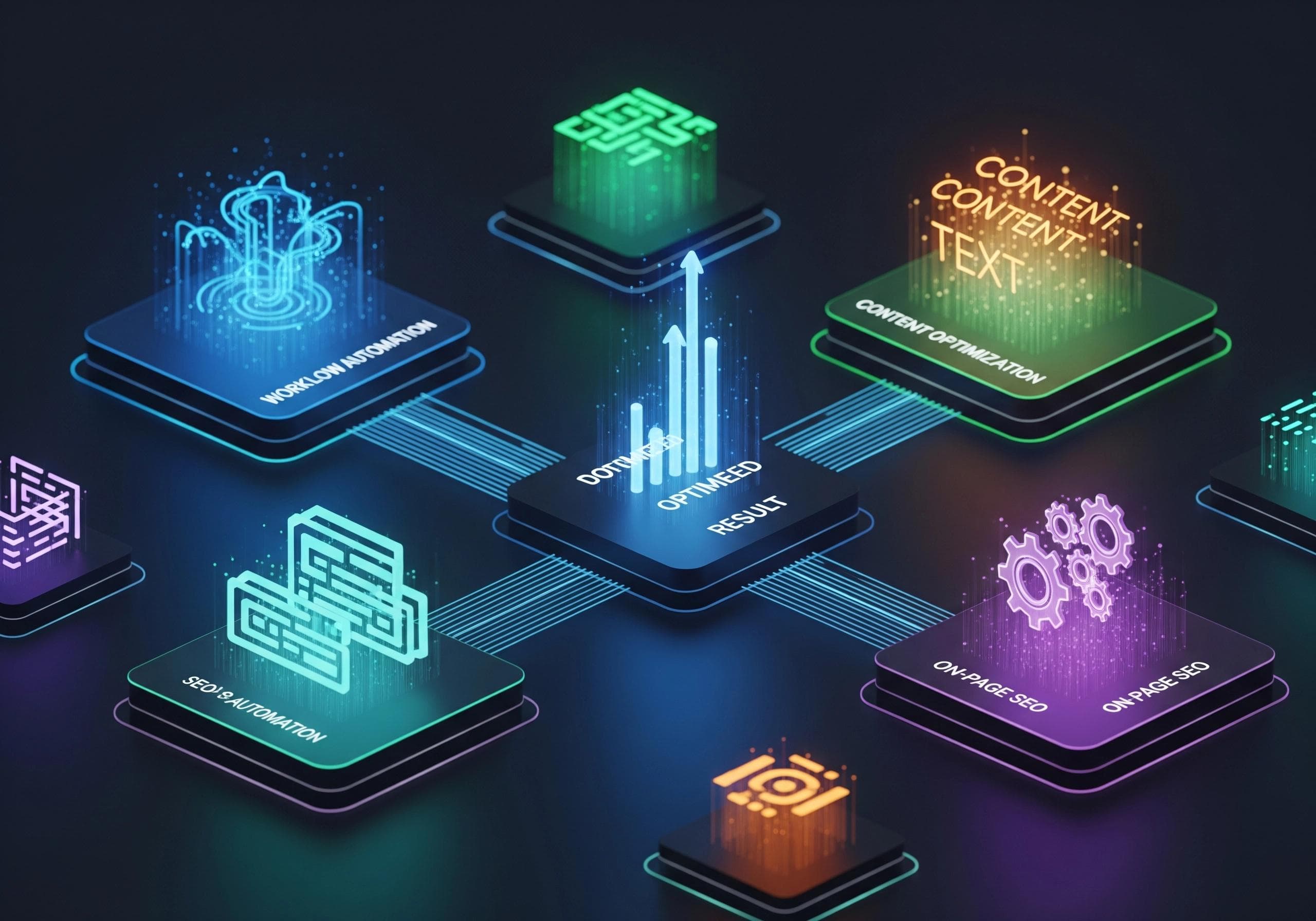
One of the most common questions I encounter when discussing AI virtual receptionists isn't about their capabilities, but about their compatibility. Businesses often wonder if introducing advanced AI will disrupt their established routines or seamlessly blend into their existing technology stack. The good news? Modern AI virtual receptionists are built with tech integration at their core, designed for effortless harmony with your current operational workflow.
Imagine an AI receptionist that doesn't just answer calls but actively contributes to your data management and scheduling. This is where the power of advanced syncing capabilities comes into play. By 2026, these AI solutions offer seamless integration with critical business systems, transforming how tasks are handled.
Integrating with Your CRM: A New Era of Data Management
For most businesses, the Customer Relationship Management (CRM) system is the heartbeat of client interaction. Traditional receptionists often struggle to keep CRM records updated in real-time during peak hours. However, with CRM integration AI, your virtual receptionist becomes an extension of your sales and support teams.
This means every call, every inquiry, and every piece of customer information captured by the AI is instantly logged and updated within platforms like Salesforce or HubSpot. It’s not just about taking messages; it’s about enriching customer profiles, noting preferences, and even tagging leads for follow-up, all autonomously.
Accurate, real-time data entry frees up your human teams for more strategic engagement.
This level of automated data flow significantly reduces manual errors and ensures your team always has the most current information at their fingertips, leading to more personalized and effective customer interactions.
Calendar Sync for Flawless Appointment Booking Automation
Beyond CRM, the ability to manage schedules is paramount. AI virtual receptionists excel in appointment booking automation by directly syncing with your existing calendar systems—whether it's Google Calendar, Outlook, or specialized booking software. This eliminates the back-and-forth often associated with scheduling.
The AI can check real-time availability, suggest optimal times, book appointments directly into the calendar, and send instant confirmations to clients. Should a client need to reschedule, the AI can handle that too, updating the calendar and notifying relevant parties without human intervention. This proactive management ensures your schedule is always optimized, minimizing missed appointments and maximizing efficiency.
These integrations aren't just about convenience; they're about creating a fully automated, interconnected operational ecosystem. By allowing AI to manage the repetitive, data-intensive tasks of reception, your business can unlock new levels of efficiency and ensure that every customer interaction is a step forward, not a logistical hurdle. To explore more about the transformative power of AI in your business operations, consider how AI virtual receptionists are redefining the modern front office. This robust tech integration isn't merely an add-on; it's a fundamental shift in how your entire team experiences workflow automation day-to-day.
How Can You Strategically Implement an AI Virtual Receptionist in 2026?
Moving from understanding the immense potential of AI virtual receptionists to actually integrating them into your operations requires a deliberate approach. As BG AIPlacers, we’ve seen countless businesses transform, but only those with a clear implementation strategy truly maximize their investment by 2026. It's not just about buying software; it's about strategically weaving AI into your business fabric.
Charting Your AI Adoption Journey
The first step in any successful AI adoption is a thorough needs assessment. Before diving into specific vendors, identify your critical pain points: Are you missing calls, struggling with after-hours inquiries, or seeking multilingual support? Clarifying these needs will guide your selection process, ensuring you pick a solution tailored to your unique operational gaps.
A clear vision for your AI virtual receptionist ensures a higher ROI.
Next, evaluate potential AI solutions. Look for platforms that offer robust features like unlimited concurrency, multilingual capabilities (40+ languages are standard now), and 24/7/365 availability. Consider how easily a solution integrates with your existing tech stack, as seamless CRM integration is paramount for automated data capture and efficient lead nurturing.
Deploying and Integrating Your AI Receptionist
Once selected, the deployment phase begins. This involves configuring the AI to handle your specific call flows, FAQs, and appointment scheduling rules. The beauty of 2026-era AI is its ability to learn and adapt, but initial setup is crucial for optimal performance. Focus on training the AI with your company's unique terminology and customer service protocols.
For a smooth transition, ensure your AI virtual receptionist can connect effortlessly with your existing customer relationship management (CRM) systems and calendar applications. This seamless CRM integration is where the real efficiency gains happen, automating tasks that once consumed hours of human effort and contributing to significant operational savings.
Maximizing Impact and Continuous Optimization
Post-deployment, the work isn't over. A critical part of your implementation strategy involves continuous monitoring and optimization. Analyze call logs, customer feedback, and performance metrics to identify areas for improvement. Perhaps the AI needs refined responses for specific queries, or new integrations could further streamline workflows.
By embracing an iterative mindset, you can continually enhance your AI's effectiveness, driving further improvements in customer retention and appointment capture rates, as observed by the 24% and 15-20% gains reported by businesses leveraging 24/7 AI coverage. This proactive approach ensures your business guide AI remains a dynamic asset, evolving with your company's needs and the ever-changing market landscape.
What's the Next Step for Your Business in the AI-Powered Front Office?

We've explored how AI virtual receptionists are reshaping the front office, from slashing operational costs by up to 85% to eliminating missed calls that cost SMBs an average of $126,000 annually. The traditional model, with its limitations on concurrency and availability, is rapidly becoming a relic. The market, already valued at $4.64 billion, clearly signals that the future of reception desks is undeniably digital.
This isn't just about automation; it's about unlocking unprecedented efficiency and a superior customer experience. With 24/7 multilingual support and seamless CRM integration, an AI virtual receptionist handles hundreds of interactions simultaneously, ensuring no customer ever feels unheard. This shift represents a strategic advantage, transforming your business communication AI from a cost center into a continuous growth driver.
So, what's your next move? The time to embrace this transformative technology isn't tomorrow; it's now. Consider how an AI virtual receptionist can redefine your operations and propel your business forward in the rapidly evolving 2026 market landscape.