No-Show Recovery: Cutting Missed Appointments for Clinics
Reminders have hit their ceiling. Practices with rising no-show rates are running the same toolkit as the practices holding steady. The clinics actually cutting missed appointments are the ones who call the patient back within ten minutes and refill the empty slot the same day.
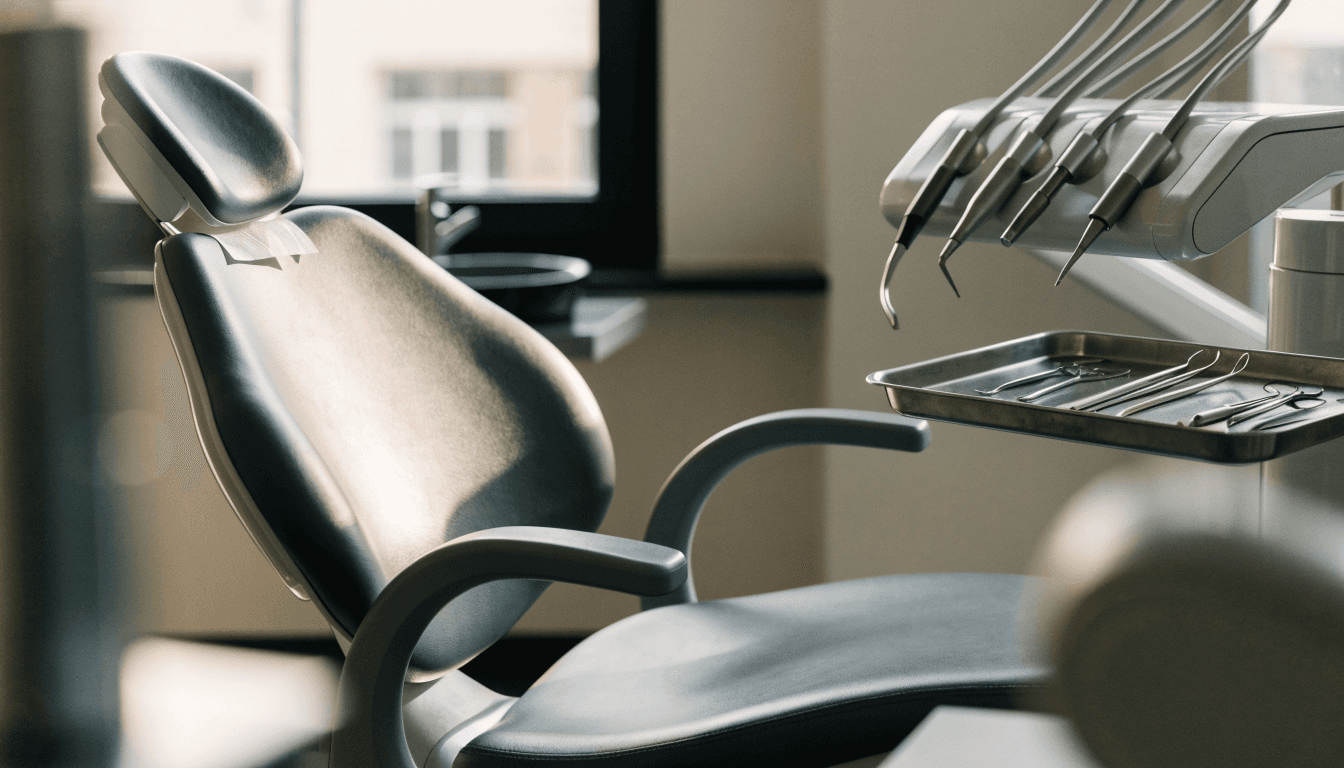
A dental practice we work with in Birmingham lost eleven appointments in a single week. Not cancellations. Eleven people who simply didn't turn up. The practice manager sent me the schedule screenshot with one line: "We already send reminders."
They did. Text at 48 hours, another at 24, an automated voice reminder on the morning of. The reminders were fine. The problem started the moment someone didn't walk through the door, because that's where the process ended.
What no-show recovery actually means
No-show recovery is the set of calls that happen after a patient misses an appointment, not before. Reminders try to prevent the miss. Recovery treats the empty slot as a live opportunity: call the patient within minutes, rebook them while intent is still warm, and backfill the vacant time from a waiting list before the day is lost.
Most clinics have the first half. Almost none have the second.
The reminder ceiling is real, and the data shows it
An MGMA Stat poll published on 11 August 2026 asked medical groups how their no-show rates compared with the previous year. Thirty-two percent said higher, against 58% reporting about the same and 10% reporting lower, over 190 responses. That's a modest shift in the wrong direction from the same poll a year earlier (MGMA, 2026).
The open comments are where it gets awkward. Practices whose rates went up listed the same tactics as the ones holding steady: text reminders, automated messages, confirmation calls, pre-check-in outreach, no-show fees. Same toolkit, opposite outcomes.
So reminder volume isn't the variable any more. Most practices have already pushed it as far as it goes. Adding a fourth text to a patient who's skipping because of a shift conflict or a £40 deductible surprise does nothing.
Here's what most clinics get wrong
They treat a no-show as a scheduling failure. It's a recovery failure.
Think about what happens at 10:07am when the 10:00 patient hasn't arrived. The nurse waits. Reception waits. By 10:15 someone marks it missed and moves on to the patients who did show up. The slot is gone. Nobody calls the patient that day. Nobody calls them the next day either, because reception is answering the phone for people trying to book new appointments.
And the patient? They're not hostile. They're embarrassed. Most people who miss a dental or physio appointment feel mildly guilty about it and then never call back, because calling back means admitting they forgot. The longer you leave it, the more expensive that phone call becomes emotionally, which is exactly why it never gets made.
That's the whole problem. Two parties who both want the appointment rebooked, and neither one picks up the phone.
The three calls that actually move the number
This is the structure we run for clinics on AI Placers. The structure itself is simple. Keeping it up on a busy Tuesday is the part a human front desk struggles with.
Call one: T-24 hours, with a live reschedule option. Not a recording. An actual conversation where the patient can say "I can't do Thursday, can you do next week?" and get moved on the spot. A reminder that can only be acknowledged converts a would-be reschedule into a no-show. A reminder that can rebook turns it into a kept appointment on a different date.
Call two: T+10 minutes after the missed slot. The patient is still in the day. They know they've missed it. The call lands while the guilt is still fresh, and the rebooking takes one question: "We've held Tuesday at 3, does that work?" The patient says yes or no and the slot is booked.
Call three: the backfill. The moment the slot is marked missed, the system starts calling the waiting list for that appointment type. By phone, because an email sits unread until the evening and by then the gap has passed. You have roughly ninety minutes to fill a same-day slot.
We covered the same timing logic for inbound in missed-call text-back versus an instant callback, and it holds here too. The faster call wins, even when it's the clumsier one.
What the numbers looked like
Back to the Birmingham practice. We turned on the T+10 recovery call and the waitlist backfill, left their existing reminders untouched, and ran it for six weeks.
Of the missed appointments, 41% were rebooked on the recovery call itself. Another handful rebooked when the voice agent called again 48 hours later. Roughly a third of the vacated same-day slots got filled from the waitlist, which sounds unimpressive until you price a filled hygienist hour against an empty one.
Their headline no-show rate barely moved. That's the honest version. What changed was the completed-visit rate, which is the number that pays wages.
Track those separately. A missed appointment that gets rebooked and attended two weeks later is a very different business outcome from one that quietly becomes a lapsed patient, and a blended "missed visit" percentage hides the difference completely.
Where this doesn't work
I'd rather tell you now than have you find out in week three.
If your waiting list is a paper notebook or lives in someone's head, the backfill call has nothing to work from. Fix that first. If your appointment types aren't distinguishable in your PMS, the agent can't match a waitlisted patient to the right gap. And if your no-show problem is concentrated in one provider's template or one location, that's an operational issue and no amount of calling will paper over it.
On fees: an MGMA poll from January 2025 found 42% of practices used a no-show fee, and fee-users were somewhat more likely to report improving rates (25% versus 16%). That's self-reported and doesn't establish cause. Treat a fee as one lever among several, not the strategy.
What to do on Monday
Pull last month's missed appointments. For each one, answer two questions: was the patient contacted the same day, and did they ever complete a visit? If the answer to the first question is mostly no, you don't have a reminder problem. You have a recovery gap, and it's the cheapest thing in your practice to close.
If you'd rather not hand that job to a receptionist who is already on the phone, see what it costs or take the 15-day trial and point it at last month's missed list before you decide anything. That's the same setup we describe in calling 500 dead leads, except these patients already wanted to see you.
FAQ
How quickly should you call a patient who missed an appointment?
Within ten to fifteen minutes of the missed slot. The patient is still aware of the day and the appointment. Wait until the next morning and the conversation shifts from rescheduling to apologising, which is a much harder call to convert.
Does an AI receptionist actually reduce patient no-shows?
It reduces missed revenue more reliably than it reduces the raw no-show percentage. The bigger gains come from rebooking missed patients and filling vacated slots, not from preventing the original miss.
What is a normal patient no-show rate?
Published figures range from around 5% to well over 30% depending on specialty, setting and how "missed" is defined. MGMA's own guidance is to stop chasing a national benchmark and instead find where your misses concentrate: new-patient visits, procedures, one location, one provider.
Should clinics charge a no-show fee?
Some do and report improvement, but the evidence is self-reported and weak on causation. A fee also carries a relationship cost with patients you'd like to keep. Use it as one part of a recovery process, not instead of one.
What's the difference between a cancellation and a no-show?
A cancellation gives you notice and a chance to refill the slot. A no-show gives you neither. They need separate tracking and completely different follow-up, because a cancellation is a scheduling event and a no-show is a recovery event.
Can an AI voice agent rebook into our practice management system?
Yes, provided the system exposes availability. AI Placers works inside your existing stack rather than replacing it, so the agent reads real availability and writes the booking back where your team already looks.
How many recovery calls before you stop?
Two for most clinics. One at T+10 minutes, one at roughly 48 hours. Beyond that the return drops sharply and you start irritating people who have made a decision.
Will patients object to being called by an AI receptionist?
In our clinic deployments, almost nobody pushes back on a rebooking call, because the call is useful to them. Objections concentrate around sensitive or clinical conversations, which should route to a human anyway.