Seamless Calls in 2026: Mastering Your AI Phone Receptionist
Discover how to master your AI phone receptionist in 2026 to revolutionize business communication. This guide covers everything from initial setup and seamless integration to advanced personalization and ensuring natural conversations. Learn how AI receptionists can significantly reduce costs, improve customer satisfaction, and provide 24/7 availability.

Seamless Calls in 2026: Mastering Your AI Phone Receptionist
Unlock the future of business communication by mastering your AI phone receptionist in 2026. This guide explores what an AI virtual receptionist is and why it's critical now, especially with 62% of small business calls going unanswered and 89% of customers preferring immediate AI responses. Learn how to implement, integrate, and optimize advanced AI voice agents, leveraging human parity in voice and agentic capabilities to reduce costs, improve customer service, and ensure 24/7 availability. We'll show you how to set up, personalize, troubleshoot, and maximize the ROI of your AI receptionist for unparalleled efficiency and customer satisfaction.
What is an AI Phone Receptionist and Why Does it Matter Now?
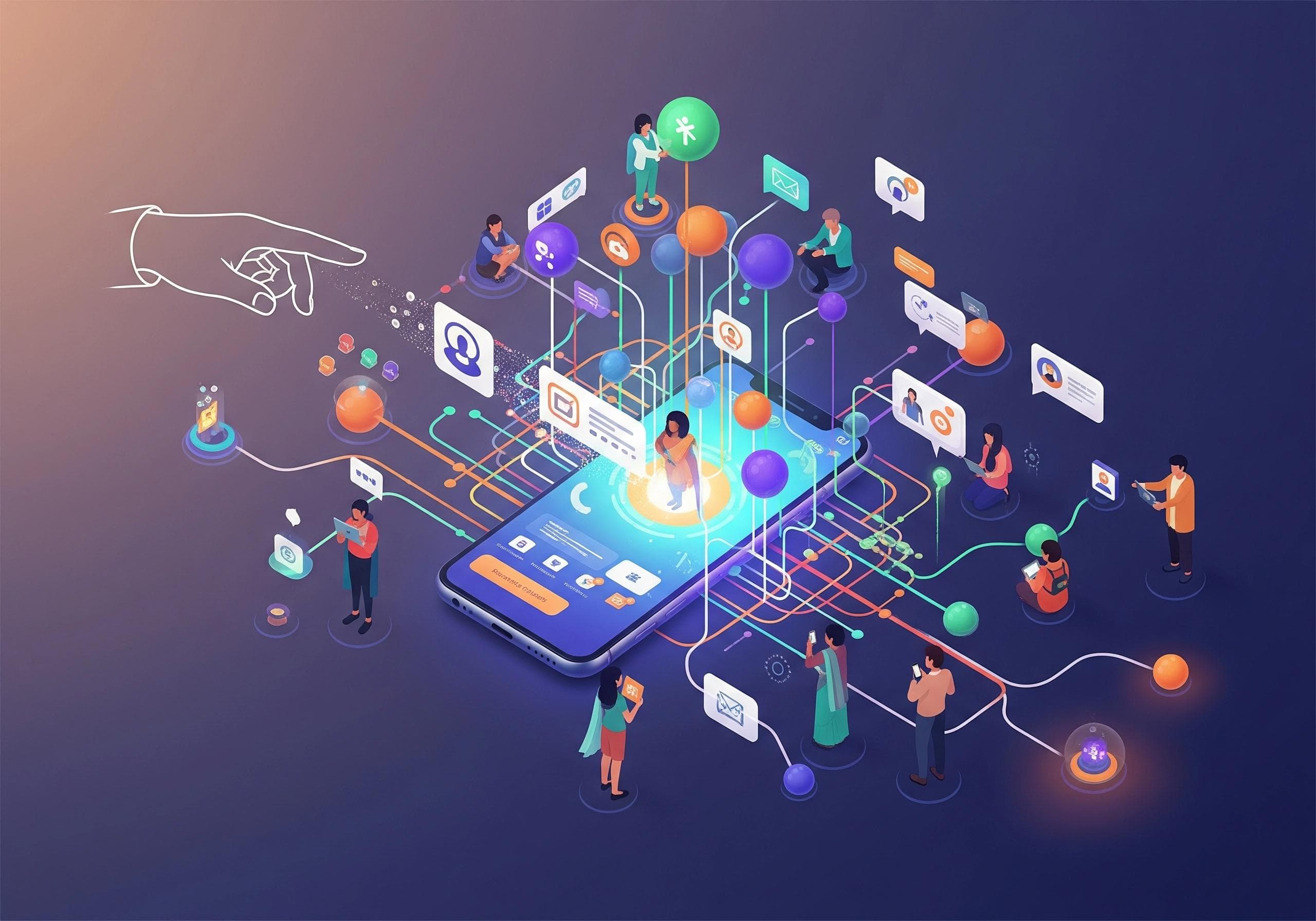
The ringing phone. For many businesses, it’s a sound of opportunity, yet too often, it’s also a source of frustration, leading to missed leads and overwhelmed staff. In 2026, the traditional receptionist model is rapidly evolving, giving way to a more efficient and consistently available solution: the AI phone receptionist.
An AI phone receptionist is an advanced AI virtual receptionist system designed to handle inbound and outbound calls with human-like conversational fluency. Unlike basic auto-attendants, these sophisticated platforms leverage cutting-edge voice AI to understand context, engage in dynamic conversations, and perform agentic tasks, fundamentally transforming business communication.
Why AI Phone Receptionists Matter Now
The significance of this technology has never been greater. The global AI virtual receptionist market is soaring, valued at $1.7 billion in 2025 and projected to reach $5.1 billion by 2030. This growth isn't just hype; it’s a direct response to tangible business needs.
Consider this: 62% of small business calls currently go unanswered. An AI phone receptionist eliminates this gap, offering 24/7 availability that ensures every call is handled, regardless of business hours. This constant presence is a game-changer, especially given that 41% of customers rank 24/7 availability as a top benefit, as highlighted in statistics on AI Receptionists in 2026.
Beyond availability, the financial impact is substantial. The cost per interaction for AI agents ranges from $0.10 to $0.50, a stark contrast to the $3.00 to $6.00 for human agents. This dramatic cost reduction allows businesses to reallocate resources and focus human staff on more complex, high-value interactions.
Customers prefer immediate AI responses over waiting on hold.
Modern customer service AI achieves sub-300ms latency, the gold standard for natural conversation flow. This technological leap means 89% of customers now prefer an immediate AI response over waiting for a human representative. Solutions like those offered by AI Placers empower businesses to capture every lead and enhance customer satisfaction through instant, intelligent interactions.
Implementing an AI phone receptionist, however, goes beyond simply answering calls; it’s about mastering a powerful tool that can qualify leads, book appointments, and integrate seamlessly with your existing systems. This guide will equip you with the knowledge to leverage this transformative technology, ensuring your business stays ahead in the evolving landscape of 2026.
How Do You Get Started: Initial Setup & Seamless Integration?
Transitioning to an AI phone receptionist might seem like a daunting technological leap, but in 2026, the process is remarkably streamlined and user-friendly. The key lies in strategic platform selection and ensuring seamless integration with your existing business ecosystem. My experience shows that the right start makes all the difference.
Choosing Your AI Receptionist Platform
The first step to mastering your AI phone receptionist is selecting a platform that aligns with your business needs. Look for solutions that prioritize a no-code setup, offer advanced natural language processing for truly human-like conversations, and provide multilingual support to cater to a diverse customer base.
Platforms like AI Placers are designed with this ease of use in mind, enabling businesses to deploy sophisticated AI voice agents without needing a dedicated IT team. This focus on accessibility ensures that even small businesses can leverage the power of advanced phone automation.
Streamlined Initial Setup
Once you’ve chosen your platform, the initial setup is typically a guided process, moving from account creation to your AI agent going live in minutes, not months. Modern systems often use your existing website or business information to pre-fill basic settings, such as business hours, common FAQs, and initial greetings.
This rapid deployment is a stark contrast to older, more complex systems. It means you can quickly move from concept to a functional AI receptionist, ready to test and refine.
Modern AI receptionist setup is designed for speed and simplicity, enabling businesses to go live faster than ever before. This quick turnaround is crucial for businesses looking to immediately address challenges like missed calls and administrative overhead.
Crucial Integrations for Seamless Phone Automation
The true power of an AI phone receptionist, beyond simply answering calls, comes from its ability to integrate with your existing business tools. This is where the AI's Reasoning Layer connects with your Tool Layer,your Customer Relationship Management (CRM) system and calendar.
- CRM Integration: Connecting your AI receptionist to CRMs like Salesforce or HubSpot allows it to perform agentic tasks such as qualifying leads, creating new contact records, and updating customer information in real-time. For instance, when a new customer calls after hours, the AI can capture their contact details and reason for calling, automatically creating a lead for your sales team. This easier AI receptionist setup and integration transforms call handling into proactive lead generation.
- Calendar Integration: For service-based businesses, integrating with your calendar system enables the AI to directly schedule, reschedule, or cancel appointments based on real-time availability. This significantly reduces manual administrative tasks and improves customer convenience.
Seamless CRM integration and calendar synchronization transform your AI receptionist into a powerful, proactive business tool, not just a call-answering service. This level of phone automation is what truly delivers a competitive edge, reducing administrative burden by up to 70% and ensuring no customer interaction is a dead end.
What Advanced Personalization Makes Your AI Truly Smart?
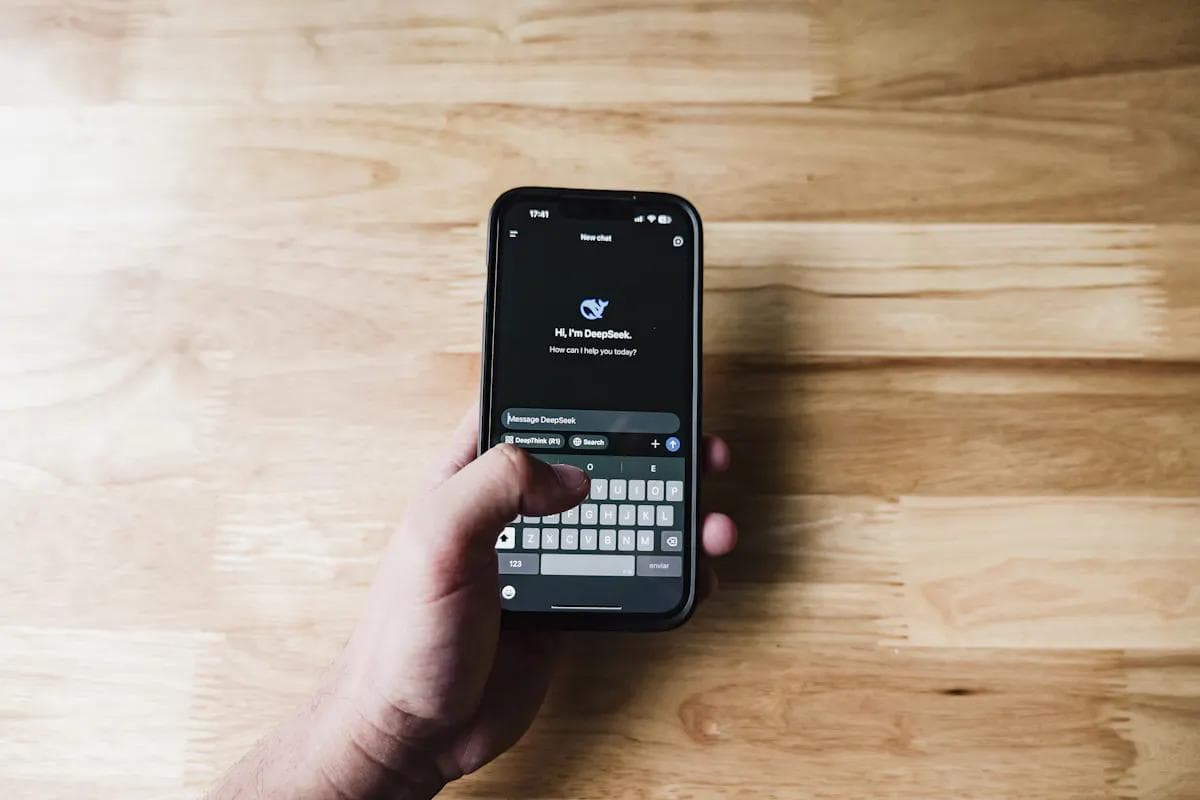
Advanced personalization elevates an AI voice agent from a simple assistant to a truly intelligent system. It's about tailoring every interaction, making your AI think and respond precisely as your business demands.
At its core, a sophisticated Reasoning Layer, powered by an LLM, acts as the AI's brain. This is enhanced by RAG implementation (Retrieval-Augmented Generation), accessing and synthesizing company-specific knowledge in real-time. This grounding provides accurate, contextually relevant responses, preventing "hallucinations" and enabling precise customization of the AI's persona and interaction flows.
What truly differentiates smart AI are its agentic AI systems capabilities. These systems move beyond answering questions to actively perform business-critical tasks: qualifying leads, processing payments, or updating your CRM (e.g., Salesforce, HubSpot) instantly during a call. This can reduce administrative overhead by up to 70%, freeing your team for more strategic work.
Customizing the AI's voice and persona is vital for brand consistency. High-fidelity voice cloning, requiring just three seconds of audio, ensures your AI caller sounds like a seamless team extension. Emotional intelligence and semantic turn detection improve conversational flow, reducing interruptions. Remember, AI voice agents must identify themselves as non-human at the start of a call, as per regulations like the EU AI Act.
AI Placers provides advanced AI voice agents that sound human, with no-code setup and seamless integration to streamline operations. Leveraging these intelligent features transforms call handling into a strategic advantage. For further guidance, explore AI voice agent solutions that empower businesses.
Can Your AI Truly Understand? Tips for Natural Conversations & Voice Cloning
The question of whether an AI can genuinely understand us has evolved significantly. Today, it’s less about simple recognition and more about achieving human parity AI in conversational fluency. The goal is to move beyond mere transcription to true comprehension, enabling a natural AI conversation that feels authentic and responsive.
Modern voice AI systems, like those offered by AI Placers, are rapidly closing the gap with human interaction. We’ve seen cascaded architectures (Speech-to-Text to Large Language Model to Text-to-Speech) give way to native speech-to-speech models, drastically cutting down on turn-taking lag. With leading TTS providers now boasting a 40ms time-to-first-byte, the speed of response is virtually indistinguishable from a human.
Sub-300ms latency is the new benchmark for truly natural conversation flow.
This leap in speed is complemented by advancements in emotional intelligence AI. Techniques like semantic turn detection allow the AI to understand when a user has completed a thought, rather than simply waiting for silence. This reduces awkward interruptions by as much as 30%, making interactions smoother and more empathetic. For instance, an AI receptionist can now anticipate the end of your sentence, ready with a relevant response, much like a human would. You can learn more about how advanced AI can handle your calls in this article about Top 5 Best AI Receptionist for Salons in 2026.
Beyond just understanding, the ability to project a consistent, professional voice is crucial for brand identity. High-fidelity voice cloning now requires as little as three seconds of audio, allowing businesses to deploy distinct, persona-driven voices across all phone touchpoints. This ensures your AI voice agents maintain a unified brand presence, whether they're handling customer service automation or appointment scheduling.
Ensuring Transparency and Trust
As AI becomes more sophisticated, regulatory compliance is paramount. Frameworks like the EU AI Act now mandate that AI voice agents must clearly identify themselves as non-human at the start of a call. This ensures transparency, building trust with callers while still delivering the efficiency benefits of AI. It’s a delicate balance: achieving human parity AI in conversation quality while respecting the need for clear identification. This is a critical aspect when considering a comprehensive voice AI platform like AI Placers, ensuring both advanced capability and ethical deployment. Platforms that simplify no-code setup for these sophisticated agents are driving this transformation, making it easier for businesses to adopt. This shift is changing how customer service operates, as highlighted in this DesignRush article on Voice AI Agents.
When Does Your AI Need a Human Touch? Troubleshooting & Escalation
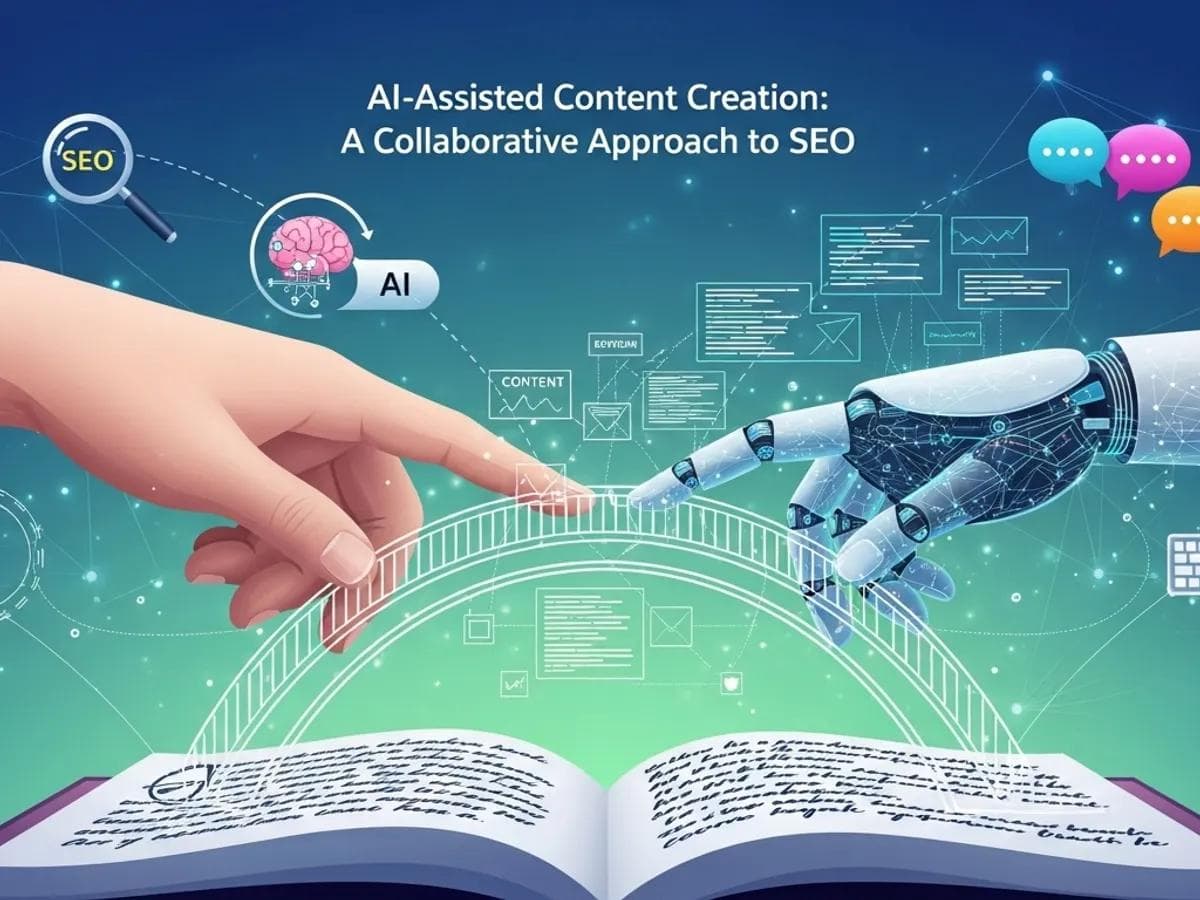
Even the most sophisticated AI phone receptionist, designed for seamless calls in 2026, will occasionally encounter situations where a human touch becomes indispensable. While AI excels at routine inquiries and data processing, understanding when and how to implement effective AI troubleshooting and intelligent escalation is crucial for maintaining superior customer experience.
Common Pitfalls and Recognizing the Need for Human Intervention
AI voice agents are incredibly capable, but they aren't omniscient. We’ve observed a few common pitfalls where even advanced systems might struggle. These often include highly emotional callers, complex multi-step problems requiring nuanced judgment, or requests that fall completely outside the AI's predefined knowledge base and intent recognition capabilities.
The goal isn't to replace humans, but to empower them by handling the routine.
When an AI encounters an issue it cannot resolve, a smooth transition is paramount. Dropping a call or leaving a customer frustrated erodes trust, directly impacting customer satisfaction. This is where a well-designed 'human-in-the-loop' strategy truly shines.
Implementing Intelligent Escalation and AI Call Transfer
At AI Placers, we specialize in developing AI voice agents that seamlessly integrate with your existing workflows, including intelligent escalation protocols. Our solutions are built to identify when a conversation is escalating beyond the AI's capacity or when a customer expresses a strong preference for a human agent.
This isn't just a simple AI call transfer; it's a strategic handover. When an AI agent recognizes the need to escalate, it doesn't just pass the call,it passes context. The human representative receives a full transcript of the conversation, along with a sentiment summary, allowing them to pick up exactly where the AI left off without forcing the customer to repeat themselves. This preserves valuable human attention for the complex, high-value interactions that truly benefit from it, as we've explored in the evolving future of customer service.
The AI Placers Escalation Framework:
- Intent Recognition: AI identifies complex, emotional, or out-of-scope queries.
- Context Capture: A full transcript and sentiment analysis are generated.
- Seamless Transfer: The call is routed to the most appropriate human agent.
- Agent Enablement: Human agent receives all relevant information for a warm handover.
This structured approach ensures that your customer service automation enhances, rather than detracts from, the overall customer journey. It’s about leveraging AI for efficiency while knowing precisely when to bring in the unique empathy and problem-solving skills of your human team.
What ROI Can You Expect: Business Impact & Future Innovations?
Businesses are constantly seeking clear, quantifiable returns on their technology investments. When it comes to mastering an AI phone receptionist, the AI business impact is not just theoretical; it's a measurable shift in operational efficiency and revenue generation.
We've seen firsthand how AI virtual assistant solutions radically transform administrative overhead. Traditional human agents average $3.00 to $6.00 per interaction, but with an AI receptionist, that cost per interaction plummets to a mere $0.10 to $0.50. This isn't just a minor saving; it's a monumental reduction that can cut administrative overhead by up to 70%.
Beyond cost, the impact on revenue is profound. Our clients often report a 75% reduction in missed calls, a critical factor given that 62% of small business calls currently go unanswered. This directly translates to a 25% improvement in sales conversion AI rates, as every inquiry is met with an immediate, intelligent response, even outside traditional business hours.
Customer satisfaction also sees a significant boost. With 89% of customers preferring an immediate AI response over waiting on hold, 24/7 availability provided by an AI phone receptionist ensures every caller feels heard and valued. This consistent, prompt service is a cornerstone of modern customer experience.
Looking ahead, the evolution of these AI voice agents is even more exciting. Beyond answering calls, 2026 agents are performing agentic tasks like qualifying leads, processing payments, and updating CRM systems in real-time. The future promises predictive AI engagement, where AI systems will proactively anticipate customer needs, maintaining context across various communication channels. As DesignRush highlights, the next generation of voice AI will move beyond merely sounding human to truly understand the caller's world. To truly master these capabilities and implement advanced AI voice agents, businesses can explore solutions like those offered by AI Placers.
Ready for Seamless Calls? Your Next Steps to AI Mastery

We've journeyed through the transformative landscape of AI phone receptionists, uncovering how this technology is not just an upgrade but a fundamental shift in business communication. The path to AI mastery begins with understanding its profound impact and the practical steps to harness its power. It's about moving from a reactive support model to a proactive, intelligent system that works tirelessly for your business.
We've seen how AI eliminates the burden of missed calls, a staggering 62% for small businesses, by offering 24/7 availability. This leap in responsiveness, combined with a significant reduction in cost per interaction,from dollars to mere cents,underscores the immense value proposition. Customers, 89% of them, now prefer the immediate, efficient response an AI agent provides over waiting on hold. This isn't just a trend; it's the new standard.
Core Tenets for AI Success
To recap, mastering your AI phone receptionist involves several critical elements:
- Technological Sophistication: Modern voice AI, with sub-300ms latency, delivers conversations so natural, they're indistinguishable from human interaction. The era of robotic interactions is definitively over.
- Strategic Integration: Successful AI adoption hinges on connecting your AI's Reasoning Layer (LLM) to your existing Tool Layer (CRM, calendar). This ensures the AI is context-aware, grounded in your specific data, and performs agentic tasks flawlessly.
- Unlocking Business Impact: Beyond simple call answering, these agents qualify leads, process payments, and update systems in real-time, reducing administrative overhead by up to 70% and improving sales conversions by 25%. This is where the real ROI emerges.
- Intelligent Escalation: A truly smart AI knows its limits. Effective models seamlessly transfer complex or high-value calls to human agents, providing a full transcript and sentiment summary for a smooth handover. It's about augmenting, not replacing, your team.
The future of customer service is here, and it’s conversational, intelligent, and always on. Taking your next steps AI means embracing this evolution. The real transformation isn't just technological; it's a cultural shift protecting human attention by removing the noise, as detailed by DesignRush in their insights on how Voice AI Agents Are Replacing Contact Centers in 2026.
For businesses ready to revolutionize their customer interactions, platforms like AI Placers offer intuitive, no-code solutions. We empower you to deploy sophisticated AI voice agents quickly, integrating seamlessly with your existing infrastructure to deliver a superior customer experience. Don't let your business fall behind; the time for AI adoption is now.
Ready to transform your business communication with cutting-edge AI? Discover how AI Placers can help you implement a human-sounding AI voice agent for seamless customer interactions and unparalleled efficiency.
People Also Ask
What is an AI phone receptionist and how does it differ from a traditional one?
An AI phone receptionist is an advanced software system that handles incoming calls using artificial intelligence, mimicking human conversation. Unlike traditional receptionists, AI receptionists offer 24/7 availability, can handle a high volume of calls simultaneously, and significantly reduce operational costs per interaction.
How can an AI receptionist improve customer service and satisfaction?
AI receptionists ensure immediate responses, eliminating customer wait times and reducing missed calls, which 89% of customers prefer. They can also provide consistent, accurate information and route calls efficiently, leading to a smoother customer experience and higher satisfaction rates.
What are the key technological advancements making AI receptionists so effective in 2026?
In 2026, AI receptionists benefit from reduced latency through native speech-to-speech models and faster TTS engines. Advancements in LLMs for the Reasoning Layer, RAG for data grounding, and semantic turn detection enable more natural, context-aware conversations and agentic capabilities.
How does AI voice cloning work for business phone receptionists?
High-fidelity voice cloning allows businesses to create a consistent, branded voice for their AI receptionist using as little as 3 seconds of audio. This ensures a personalized and professional brand presence across all customer interactions.
When is it necessary to escalate a call from an AI receptionist to a human agent?
Escalation is crucial for complex issues, high-value leads, or when the AI detects customer frustration or specific needs it cannot fulfill. Intelligent escalation ensures a seamless handover with a full transcript and sentiment summary to the human agent, maintaining service quality.
What kind of ROI can businesses expect from implementing an AI phone receptionist?
Businesses can expect significant ROI through reduced costs per interaction (as low as $0.10-$0.50 vs. $3-$6 for humans), a reduction in missed calls (up to 75%), and improved sales conversion rates (around 25%). AI receptionists can also reduce administrative overhead by up to 70%.