Unlocking Efficiency: How AI Voice Agents Transform Call Management in 2026
Explore the transformative power of AI voice agents in revolutionizing call management by 2026. This guide details their functionality, essential implementation steps, and strategies for maximizing impact. Discover how these intelligent systems are set to redefine business communication and customer service.

Unlocking Efficiency: How AI Voice Agents Transform Call Management in 2026
What are AI voice agents and why are they essential for modern businesses? These intelligent systems automate call management, enhance customer service, and streamline operations, becoming a crucial tool in 2026 to meet evolving customer expectations. With 80% of customer service organizations projected to integrate generative AI, these agents reduce operational costs by 30-50% and handle high call volumes 24/7. This comprehensive guide details how to strategically implement AI voice agents, from knowledge base grounding and intelligent routing to seamless CRM integration and leveraging advanced features like agentic workflows. Learn to achieve significant efficiency gains and deliver superior, personalized customer experiences.
What are AI Voice Agents and Why Do They Matter in 2026?

The landscape of business communication is undergoing a profound transformation, driven by an urgent need for greater efficiency and exceptional customer experiences. In this evolving environment, AI voice agents are emerging not just as a technological novelty, but as an indispensable asset for businesses navigating 2026 and beyond.
An AI voice agent is a sophisticated conversational system that leverages artificial intelligence (AI) and natural language processing (NLP) to understand, interpret, and respond to human speech in a highly natural and context-aware manner. Unlike basic Interactive Voice Response (IVR) systems of the past, these agents engage in dynamic, human-like conversations, making interactions feel indistinguishable from speaking with a human.
The "why now" for these technologies is compelling. By 2026, the global conversational AI market is projected to reach approximately $30 billion, reflecting a monumental shift. This surge is fueled by the demand for advanced customer service automation and the need to scale business communication in 2026.
Gartner predicts that by 2026, 80% of customer service organizations will have integrated generative AI, demonstrating widespread adoption.
These advanced agents handle routine inquiries and complex troubleshooting, often reducing operational costs by 30% to 50% for small-to-medium businesses by eliminating the need for full-time overnight staff. Their ability to achieve response latencies under 500 milliseconds ensures smooth, natural conversations.
AI voice agents are transforming customer interactions, making businesses more accessible, efficient, and cost-effective 24/7.
Platforms like AI Placers exemplify this evolution, offering solutions that sound human, boast no-code setup, and provide multilingual support, fundamentally enhancing customer experience. The rise of 'Agentic Workflows' further empowers these AI voice agents to perform multi-step actions autonomously, from processing refunds to coordinating multi-party calendar invites, pushing beyond simple conversational tasks. This level of sophistication, combined with 'Zero-Shot' learning for unexpected queries, solidifies their critical importance.
How Do AI Voice Agents Revolutionize Call Management Operations?
The landscape of call management has undergone a profound transformation, moving beyond traditional phone systems to embrace the dynamic capabilities of AI voice agents. These intelligent systems are not merely answering machines; they are sophisticated AI calling agent solutions designed to manage high call volumes, automate routine tasks, and integrate seamlessly with existing business infrastructures.
At their core, AI voice agents revolutionize operations by providing 24/7 availability, ensuring no customer inquiry goes unanswered. They can handle an unlimited number of parallel calls, a capacity far beyond human limitations. This dramatically reduces customer wait times and minimizes missed opportunities, directly impacting lead conversion and customer satisfaction. Indeed, AI voice agents can cut operational costs by 30% to 50% for many businesses, a significant efficiency gain.
Automating Daily Call Tasks
One of the most immediate impacts of an AI voice agent is the automation of repetitive, time-consuming tasks. This frees human agents to focus on more complex, high-value interactions that genuinely require empathy and nuanced problem-solving. Common tasks now autonomously managed by an AI virtual receptionist include:
- Answering Frequently Asked Questions (FAQs): Providing instant, consistent responses to common inquiries.
- Appointment Scheduling and Rescheduling: Directly integrating with calendars to manage bookings.
- Order Status Updates: Accessing real-time data to inform customers about their purchases.
- Basic Troubleshooting: Guiding callers through initial diagnostic steps.
- Lead Qualification: Gathering essential information from potential clients before handover.
AI voice agents deliver consistent, real-time support, ensuring every customer interaction is handled efficiently.
The Evolution of Intelligent Call Routing
Gone are the days of rigid "Press 1 for Sales" menus. Modern intelligent call routing leverages natural language processing (NLP) to understand a caller's intent. Instead of navigating a cumbersome menu, callers simply state their need, and the AI accurately directs them to the correct department or, more often, resolves the query autonomously. This intent-based routing significantly enhances the customer experience, making interactions feel more intuitive and human-like. For a deeper dive into these transformative tools, explore this ultimate guide to AI voice agents.
Seamless Integration with Business Ecosystems
The true power of AI voice agents lies in their ability to integrate effortlessly with a business's existing tools. Platforms like those offered by AI Placers emphasize a no-code setup and seamless integration, making customer service automation accessible for businesses of all sizes. This connectivity allows AI agents to:
- Update CRM Records: Automatically log call details and update customer profiles in real-time.
- Access Customer History: Pull relevant data from systems like Salesforce, HubSpot, or Zendesk to personalize interactions.
- Trigger Workflows: Initiate follow-up emails, create support tickets, or update internal databases based on call outcomes.
This robust integration turns an AI voice agent into an integral part of your operational nervous system, streamlining workflows and enhancing data accuracy. The ease of setup, often without requiring coding expertise, means businesses can deploy these powerful tools quickly. To see how simple it can be, consider this
on building an AI voice agent without coding. This practical application aligns perfectly with the features offered by AI Placers, which focuses on ease of use and comprehensive multilingual support. With 70% of consumers comfortable using AI for routine tasks, the adoption of these advanced voice AI platform solutions is a strategic imperative for businesses aiming to optimize their call management operations and deliver superior customer experiences.
What are the Essential Steps for Strategic AI Voice Agent Implementation?
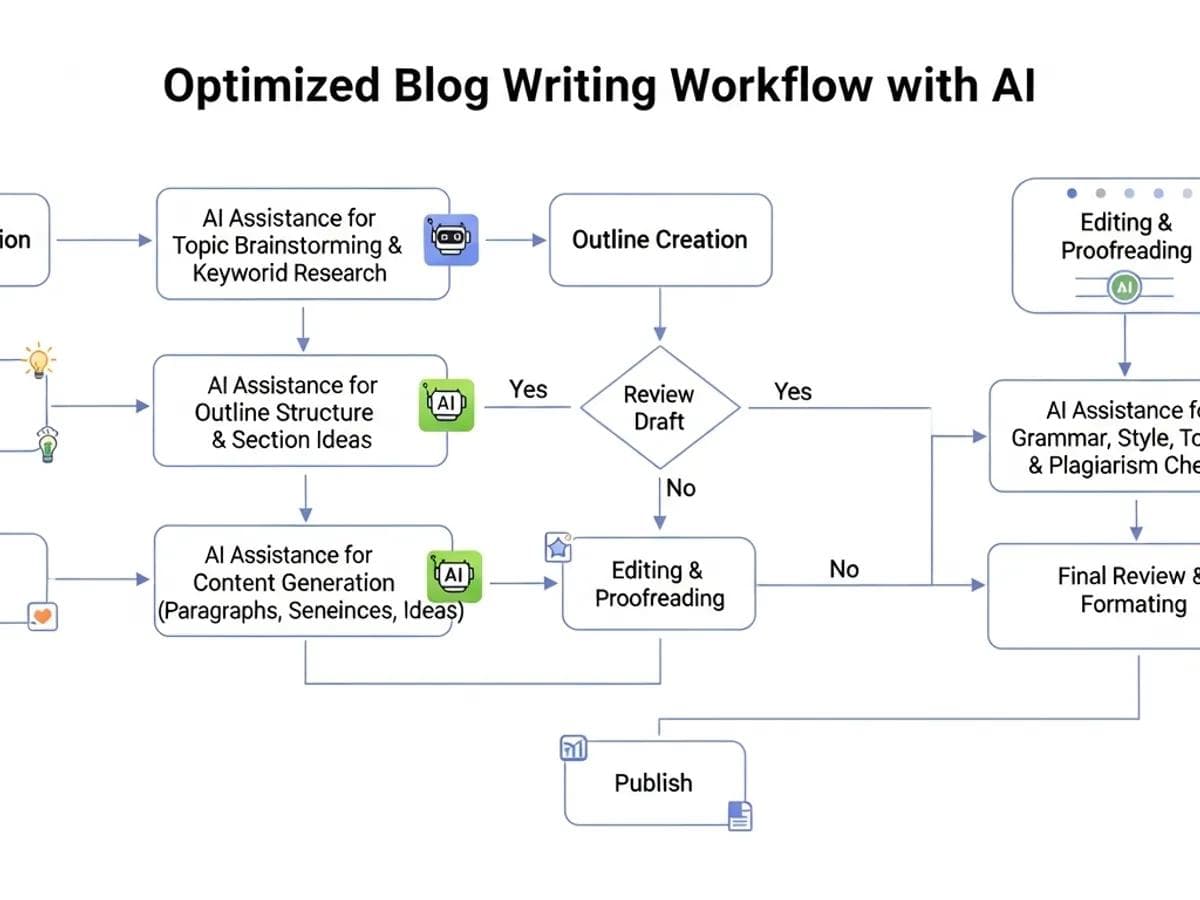
Successfully deploying an AI voice agent demands a methodical, strategic approach. Businesses adopting AI for customer interactions need a structured plan for accuracy, efficiency, and superior customer experience. Without a clear roadmap, even the most advanced AI virtual receptionist can fall short.
Knowledge Base Grounding
The foundation of any effective AI voice agent is its knowledge base. This crucial first step, knowledge base grounding, involves training the AI on your specific business data, FAQs, and brand voice. It ensures the agent provides accurate, consistent information reflecting your company's unique identity. This is key for robust AI voice agents.
Intent-Based Routing Setup
Moving beyond rigid "Press 1" menus, modern AI voice agents leverage intent-based routing. This system analyzes a caller's natural language to understand their core intent, directing them to the appropriate department or autonomously resolving queries. This significantly reduces caller frustration and improves first-call resolution.
CRM Integration
For seamless customer experience, integrating your AI voice agent with existing CRM platforms (e.g., Salesforce, HubSpot) is essential. CRM integration allows the AI to access customer history, personalize interactions, and update records in real-time. This capability is critical for the personalized service customers expect, as detailed in AI in Contact Centers reports.
Designing Effective Conversation Flows
Finally, designing intuitive, effective conversation flows is paramount. This involves mapping typical caller journeys, anticipating intents, and crafting natural, human-like dialogues. With 'Agentic Workflows,' AI agents perform multi-step actions. Robust security protocols like voice biometrics are also standard. Learn more about building these capabilities in the AI Voice Agents Full Course.
These strategic steps ensure your AI voice agent handles calls efficiently, delivering a consistent, intelligent, and secure customer experience, unlocking significant operational benefits.
How Can You Maximize Your AI Agent's Impact and Future-Proof Your Strategy?
The journey of integrating AI voice agents into your operations in 2026 isn't just about current efficiency; it's about building a foundation that can adapt and thrive in an ever-evolving technological landscape. Maximizing their impact and ensuring longevity requires a forward-thinking approach, embracing advanced capabilities that define the modern AI landscape.
Harnessing Agentic Workflows
The evolution of AI voice agents goes beyond mere conversational interfaces; it's about empowering them to perform multi-step actions autonomously. This means an AI can not only understand a request but also initiate and complete complex processes, such as processing a refund, updating a customer's record, or even coordinating a multi-party meeting across various platforms. This capability, known as agentic workflows, transforms AI from a passive responder into a proactive executor of business tasks. Such intelligent automation frees human teams to focus on more strategic initiatives.
Embracing Multimodal and Zero-Shot Learning
Further maximizing an AI agent’s impact involves leveraging cutting-edge multimodal models. These advanced systems, exemplified by recent developments from OpenAI and Google, allow AI voice agents to interpret and respond to a wider range of cues, including the emotional tone and urgency in a caller's voice. This significantly enhances the agent's emotional intelligence, enabling more empathetic and nuanced interactions. Coupled with zero-shot learning capabilities, these agents can handle entirely novel queries without explicit pre-programmed scripts, demonstrating remarkable adaptability and drastically reducing the need for constant, reactive script updates. This inherent adaptability is crucial for a future-proof AI strategy.
Future-Proofing for Expansion
To truly future-proof AI strategies, businesses must think beyond immediate needs, considering scalability and adaptability for long-term growth. This involves planning for multi-channel expansion, ensuring that workflows initially built for voice can seamlessly extend to chat, email, or other digital channels. Similarly, global market expansion demands robust multilingual support and strict adherence to regional compliance standards. As industry experts highlight, a future-proof solution should be able to evolve with your business across five dimensions, including market and geographic reach. Our AI voice agents at AI Placers are engineered with this foresight. We provide a platform that supports diverse AI agent use cases, ensuring your investment scales effectively, whether you're handling appointments, generating leads, or offering tech support.
Exploring the landscape of leading AI voice agent platforms can offer insights into these advanced capabilities. By embracing these advancements, businesses ensure their AI investments not only meet current demands but are also poised for future challenges.
What Challenges Might You Face, and How Can You Overcome Them?

The transformative power of AI voice agents comes with inherent challenges. Strategic planning ensures consistent accuracy, robust security, and seamless integration for optimal performance.
Overcoming Speech-to-Text Inaccuracies
A primary hurdle is achieving high speech-to-text accuracy. Misinterpreting caller intent due to diverse accents or unclear speech leads to frustration. Solutions involve rigorous data grounding and continuous AI training on specific business terminology.
Fortifying Security Protocols and Data Privacy
Another paramount concern involves security protocols and data privacy. AI voice agents handle sensitive customer information, necessitating stringent safeguards. Implementing advanced measures like voice biometrics and end-to-end encryption is crucial. Prioritizing strong security builds trust and ensures regulatory adherence, especially for GDPR compliance and HIPAA compliance.
Ensuring Seamless System Integration
Integrating AI voice agents into existing CRM and operational systems often poses a challenge. Disjointed systems prevent AI from accessing historical data or updating records in real-time. Key is selecting platforms with straightforward integrations into your current tech stack. AI Placers provides solutions with a no-code setup, simplifying interaction with platforms like Salesforce or Zendesk.
Embracing Hybrid AI Models
The most crucial strategy for troubleshooting AI and long-term success is embracing hybrid AI models. AI augmenting human agents,handling routine queries and providing real-time AI assistance,creates a resilient customer experience. This blended approach balances efficiency with service quality, allowing human oversight to quickly rectify AI missteps. This approach is proven effective in transforming customer service.
Which Top AI Voice Agent Platforms Lead the Market in 2026?
As businesses increasingly leverage AI to streamline operations, the landscape of AI voice agent platforms is rapidly evolving, making the choice of a platform critical for maintaining a competitive edge. By 2026, the market offers sophisticated solutions designed to cater to diverse business needs, from basic call handling to complex, multi-step agentic workflows. We've observed a significant shift towards platforms offering not just efficiency, but also a truly human-like conversational experience.
Emerging Leaders in AI Voice Technology
Several platforms are setting the benchmark for what an AI phone receptionist can achieve. These leaders distinguish themselves through a combination of advanced natural language understanding, real-time response capabilities, and seamless integration with existing business systems.
Retell AI has emerged as a frontrunner, known for its hyper-realistic voice generation and remarkably low latency, making conversations feel almost indistinguishable from human interaction. This platform prioritizes natural, fluid dialogue, which is crucial for high-stakes customer interactions or complex sales calls.
Decagon AI often targets enterprise-level solutions, focusing on robust scalability and the ability to manage incredibly complex, multi-channel customer journeys. Their strength lies in handling high volumes of intricate queries while maintaining high accuracy and deep integration capabilities across various CRM and ERP systems.
Sierra AI, a newer entrant, is quickly gaining traction with its emphasis on multimodal AI models and advanced emotional intelligence. This allows their agents to detect nuances in caller sentiment and adjust their responses accordingly, leading to more empathetic and effective customer interactions.
For businesses seeking a straightforward yet powerful solution, platforms like AI Placers offer a compelling alternative. Our AI voice agents emphasize no-code setup and multilingual support, enabling businesses to automate customer interactions with ease and significantly reduce operational costs. We focus on practical applications that streamline call handling and improve customer satisfaction, making advanced AI accessible to a broader audience.
The right platform can transform your customer service, moving beyond simple automation to genuine engagement.
The shift from traditional IVR systems to intelligent AI agents replacing traditional IVR and chatbots is a testament to the advancements in speech-to-text accuracy and real-time processing that these leading platforms embody. When selecting an AI voice agent platform, consider not just current features, but also its potential for future-proofing your communication strategy and its ability to integrate with your existing CRM systems like Salesforce or HubSpot for a truly unified customer experience.
Are You Ready to Transform Your Call Management with AI?

The landscape of call management has undergone a profound shift, moving from reactive human-led interactions to proactive, intelligent automation. We’ve explored how AI voice agents are not just a convenience but a cornerstone for modern business success, driving unparalleled operational efficiency and elevating customer experience.
Indeed, the evidence is compelling: industry reports project that 80% of customer service organizations will integrate generative AI by 2026. This isn't just about cutting costs,though AI voice agents can reduce operational expenses by 30% to 50%,it's about fundamentally reshaping how businesses engage with their customers. With response latencies under 500 milliseconds, these AI systems make conversations feel as natural as speaking with a human.
Embracing the AI-Driven Future
The real call management transformation comes when you move beyond basic automation and embrace intelligent, agentic workflows capable of complex tasks. This means empowering an AI receptionist to not only answer calls but to process refunds, schedule appointments across multiple calendars, and provide instant support with a human-like touch.
The future of customer interaction is here, and it's conversational, intelligent, and always available.
Are you prepared to harness this power? We believe every business, regardless of size, deserves access to this transformative technology. At AI Placers, we specialize in providing AI voice agents that sound remarkably human, offering a no-code setup for seamless integration and multilingual support. Our platform is designed to make this advanced technology accessible, enabling you to automate customer interactions, improve satisfaction, and significantly reduce operational overhead.
Ready to transform your call center operations and deliver a superior customer experience? Explore how AI Placers can elevate your business by visiting our platform for AI voice agents.
Ready to elevate your customer service and streamline operations? Discover how AI Placers' advanced AI voice agents can transform your call management today. Visit AI Placers to learn more!
Frequently Asked Questions About AI Voice Agents
What exactly is an AI voice agent and how does it work?
An AI voice agent is an advanced software system that uses artificial intelligence, particularly natural language processing and speech recognition, to understand and respond to spoken human language. It can handle phone calls, automate tasks, and provide customer support, often indistinguishable from human interaction due to low response latencies.
How can AI voice agents reduce operational costs for businesses?
AI voice agents significantly cut operational costs by automating routine tasks, handling high call volumes 24/7 without human staffing needs, and reducing the need for extensive customer service teams. Businesses can see cost reductions of 30-50%, especially by eliminating the need for overnight or weekend staff.
What is 'Intent-Based Routing' in the context of AI voice agents?
Intent-Based Routing is an advanced call management technique where an AI voice agent analyzes the caller's natural language to understand their intent. It then directs the call to the most appropriate department or resolves the query directly, moving beyond traditional 'Press 1' menus for a more intuitive and efficient customer experience.
How do AI voice agents integrate with existing business systems like CRMs?
AI voice agents integrate seamlessly with CRM systems such as Salesforce, HubSpot, and Zendesk. This integration allows the AI to access customer history, personalize interactions, and update records in real-time, ensuring a cohesive and informed customer service process.
What are 'Agentic Workflows' and how do they enhance AI capabilities?
Agentic Workflows empower AI voice agents to perform multi-step actions beyond just conversation. This includes tasks like processing refunds, coordinating complex scheduling, or even initiating actions across different software platforms, significantly expanding their utility and autonomy.
Are AI voice agents capable of handling complex or emotional customer interactions?
Modern AI voice agents, especially those utilizing advanced multimodal models, are increasingly capable of detecting and responding to caller emotions like frustration or urgency with empathy. While they excel at routine tasks, their ability to handle highly complex or emotionally charged situations is continuously improving.