Beyond Answering: Why AI Receptionists Are Key for Businesses in 2026
AI receptionists are revolutionizing business operations by moving beyond simple call answering to become agentic tools that automate complex workflows. This article explores their evolution, efficiency gains, 24/7 service capabilities, and significant ROI, positioning them as essential for business growth in 2026.
Beyond Answering: Why AI Receptionists Are Key for Businesses in 2026
This article explains what AI receptionists are and why they are crucial for businesses in 2026. Traditional phone systems lead to significant financial losses from unanswered calls and missed opportunities. AI receptionists offer a transformative solution by providing 24/7 availability, automating multi-step workflows, and drastically reducing operational costs. Learn how this technology enhances business efficiency, improves customer satisfaction, and secures a competitive advantage, helping you address the challenges of modern communication and prepare for future growth.
What Hidden Costs Are Missed Calls Imposing on Your Business?

Imagine a silent drain on your business, siphoning away potential earnings and eroding customer trust. That's precisely what missed calls represent for countless organizations today. It’s more than just a momentary inconvenience; it’s a direct hit to your bottom line and a significant barrier to achieving optimal business efficiency. We've observed that the true financial toll often goes unnoticed until the cumulative impact becomes undeniable.
The Staggering Cost of Unanswered Calls
Many businesses are unknowingly bleeding lost revenue through basic communication gaps. Consider the data: the average small business loses approximately $126,000 annually due to missed calls, with a startling 62% of calls to SMBs going unanswered. This isn't just a lost opportunity; it's a competitive disadvantage. When a caller reaches voicemail, 85% will not call back, and 67% will immediately contact a competitor. This immediate defection highlights a critical failure in customer acquisition and retention.
Every unanswered call is a potential customer walking straight to your competition.
The ripple effects extend beyond direct sales. Poor call handling strains existing staff, diverting their focus from high-value tasks and leading to decreased productivity. This directly impacts overall business efficiency, creating a cycle where overworked employees are less able to handle the calls that do come through, further exacerbating the problem. The hidden costs mount, from reduced customer satisfaction (CSAT) to a diminished brand reputation.
How AI Receptionists Transform This Challenge
Recognizing this pervasive issue, we at AI Placers champion the adoption of advanced AI voice agents. These intelligent systems are designed to ensure no call goes unanswered, acting as a tireless AI receptionist that operates 24/7. This proactive approach not only recaptures lost revenue but also dramatically improves operational efficiency.
For a deeper dive into how these systems operate, consider exploring how AI voice agents: Smart Receptionist for SMBs are revolutionizing call handling. They answer instantly, qualify leads, schedule appointments, and provide professional customer service around the clock, all for a fraction of traditional costs. The shift from reactive call answering to proactive business development maximizes the value of every customer interaction. To understand more about the solutions we offer, visit AI Placers.
By leveraging an AI receptionist, businesses can eliminate the hidden costs of missed calls, transforming a significant weakness into a powerful competitive advantage. It's about securing every lead, enhancing customer service, and empowering your human team to focus on what truly requires their expertise.
How Have AI Receptionists Evolved Beyond Simple Answering?
The landscape of business communication has dramatically shifted, moving far beyond the simple "press 1 for sales" of yesterday. In 2026, the term AI receptionist refers to something far more sophisticated than a basic chatbot or traditional answering service; we're talking about genuinely agentic AI capable of autonomous, multi-step interactions.
These aren't merely glorified interactive voice response (IVR) systems. Instead, modern AI calling agents are designed to understand natural language, perform complex tasks, and integrate seamlessly into existing business workflows. They represent a fundamental leap from reactive tools to proactive digital employees.
Agentic Capabilities: Beyond Simple Answering
What truly defines an advanced AI receptionist today is its agentic nature. This means the AI can not only understand a caller's intent but also independently execute a series of actions to fulfill that intent, much like a human would. This includes:
- Real-time Calendar Syncing: Booking, rescheduling, or canceling appointments directly in your calendar, often without human intervention. This feature alone captures 40% of appointment bookings that occur outside standard 9-to-5 hours, preventing lost revenue.
- Lead Qualification: Engaging callers, asking pertinent questions, and identifying high-intent leads before passing them to sales teams, ensuring your human staff focuses on qualified prospects.
- CRM Updates: Automatically logging call details, updating customer records, and triggering follow-up sequences within your Customer Relationship Management (CRM) system. Platforms like AI Placers ensure that every interaction is meticulously documented, enhancing your data accuracy and team efficiency.
This evolution differentiates the current generation of AI receptionists from their predecessors. While older systems might have provided information, today's AI voice agents actively manage tasks, freeing up human staff for more strategic work. This shift can boost productivity by up to 30-50%, transforming how businesses operate.
We’re no longer talking about static scripts; these AI models leverage advanced natural language processing (NLP) and sentiment analysis to detect frustration or urgency, adjusting their tone to improve customer satisfaction (CSAT) by up to 15%. This level of nuanced modern communication ensures a consistently professional and empathetic interaction, even across over 100 languages.
AI Placers delivers these advanced AI voice agents with a no-code setup, enabling businesses of all sizes to integrate sophisticated call handling and customer service automation without extensive technical expertise. For a deeper dive into the capabilities, explore what makes the Best AI Receptionists for Business (2026) truly revolutionary. The transition from passive chatbots to autonomous agentic AI is the defining trend of 2026, with 40% of enterprise applications expected to include task-specific agents by year-end.
Why Are AI Receptionists the Future of Business Efficiency and Productivity?

The evolution of AI receptionists has ushered in a new era of business efficiency and unprecedented productivity, fundamentally reshaping how organizations manage their daily operations. No longer confined to basic call answering, the AI voice agent of 2026 is an agentic entity, capable of executing complex, multi-step workflows autonomously. This pivotal shift liberates human teams from repetitive administrative burdens.
Automating Core Operational Workflows
Traditional reception methods often create bottlenecks, particularly in initial customer interactions. Modern AI receptionists, however, seamlessly integrate into existing systems to automate critical tasks. They excel at lead qualification, engaging callers in natural conversations to gather essential information, assess intent, and pre-qualify prospects before any human intervention is required.
This intelligent filtering ensures that sales or service teams only engage with genuinely interested and viable leads, significantly improving conversion rates and sales pipeline efficiency. Concurrently, these advanced agents manage real-time calendar syncing for appointment scheduling, eliminating double bookings and manual coordination.
Crucially, CRM integration allows AI receptionists to update customer records instantaneously. Every interaction, from initial inquiry to scheduled appointment, is logged directly into your Customer Relationship Management system, ensuring data accuracy and providing a 360-degree view of the customer journey. This automation minimizes data entry errors and ensures that vital information is always current and accessible.
Quantifying Productivity Gains and Strategic Re-focus
The impact on human staff productivity is profound. By offloading routine tasks such as initial screenings, appointment setting, and data entry, AI receptionists allow employees to re-focus on high-value activities that require human creativity, empathy, and complex problem-solving. This isn't about replacing people; it's about empowering them to excel in strategic roles.
Indeed, businesses leveraging these advanced AI voice agents report productivity increases of up to 30-50%, a direct result of human staff being able to concentrate on tasks that directly drive growth and foster deeper customer relationships. This redirection of effort not only boosts output but also combats employee burnout by removing mundane, time-consuming chores.
AI receptionists are not just a cost-saving measure; they are a strategic investment in human capital and operational excellence.
This strategic shift protects revenue by ensuring no call goes unanswered,a critical factor given that 85% of callers reaching voicemail won't call back, often turning to a competitor. Solutions from providers like AI Placers offer these advanced capabilities, enabling businesses to capture high-intent leads 24/7 and streamline operations with intelligent, human-like AI voice agents.
The Future of Business Efficiency is Now
Embracing an AI voice agent for tasks like lead qualification, scheduling, and CRM integration is no longer a futuristic concept; it is the present reality for achieving superior business efficiency. It's about optimizing every customer touchpoint and ensuring that both your technology and your people are working at their highest potential. For a deeper dive into the potential of these tools, consider exploring a guide to the Top AI Phone Receptionist Solutions that are shaping 2026.
This integration of intelligent automation into daily operations is why AI receptionists are unequivocally the future of streamlined, high-performing businesses, allowing teams to deliver exceptional value and drive sustainable growth. To understand how such AI voice agents can transform your operations, visit the AI Placers blog for more insights.
Can AI Callers Truly Deliver 24/7 Customer Service Excellence?
In today’s fast-paced business environment, the expectation for immediate support never truly clocks out. While human receptionists are limited by typical business hours, the modern AI caller steps in to bridge this crucial gap, offering 24/7 customer service excellence that traditional models simply cannot match.
Imagine capturing a high-intent lead at 10 PM or securing an appointment booking at 6 AM. This is no longer a hypothetical scenario; AI callers provide 168-hour weekly coverage, ensuring that your business is always open and responsive. We’ve seen that as much as 40% of appointment bookings occur outside standard 9-to-5 hours, making continuous availability a primary revenue protector. An AI virtual receptionist ensures you never miss a potential customer, transforming after-hours calls into captured opportunities. For a deeper dive into the advantages, explore the Top Benefits of Using an AI Virtual Receptionist for Business Efficiency.
Global Reach and Personalized Interactions
Beyond just being available, advanced AI voice agents from platforms like AI Placers are equipped for global scaling. They support over 100 languages natively, enabling businesses to expand their reach without the complexities and costs of local hiring. This multilingual support ensures every customer, regardless of their native tongue, receives clear and effective communication.
Crucially, these intelligent agents don't just speak; they understand. Through sophisticated sentiment analysis, an AI caller can detect nuances in a customer's tone, identifying frustration or urgency in real-time. This allows the AI to adapt its conversational style, ensuring a more empathetic and effective interaction. This adaptive approach significantly enhances customer satisfaction (CSAT) by up to 15%, turning potentially negative experiences into positive resolutions.
Modern AI callers offer more than just availability; they provide intelligent, adaptable, and multilingual support.
This continuous, intelligent engagement means that every inquiry, every booking, and every customer interaction is handled professionally, around the clock. The evolution of these systems means they are far more than just answering machines; they are proactive agents ensuring your business is always performing at its peak. For insights into how AI receptionists are transforming the market, you might find this guide useful:
This comprehensive approach positions AI callers as indispensable tools for businesses aiming for unparalleled customer service automation and operational consistency in an increasingly competitive landscape. The ability to manage diverse customer needs, both in terms of time and language, truly delivers on the promise of 24/7 excellence, as highlighted by leading AI voice agents in the market.
What Are the Tangible ROI and Cost Savings of Adopting AI Receptionists?
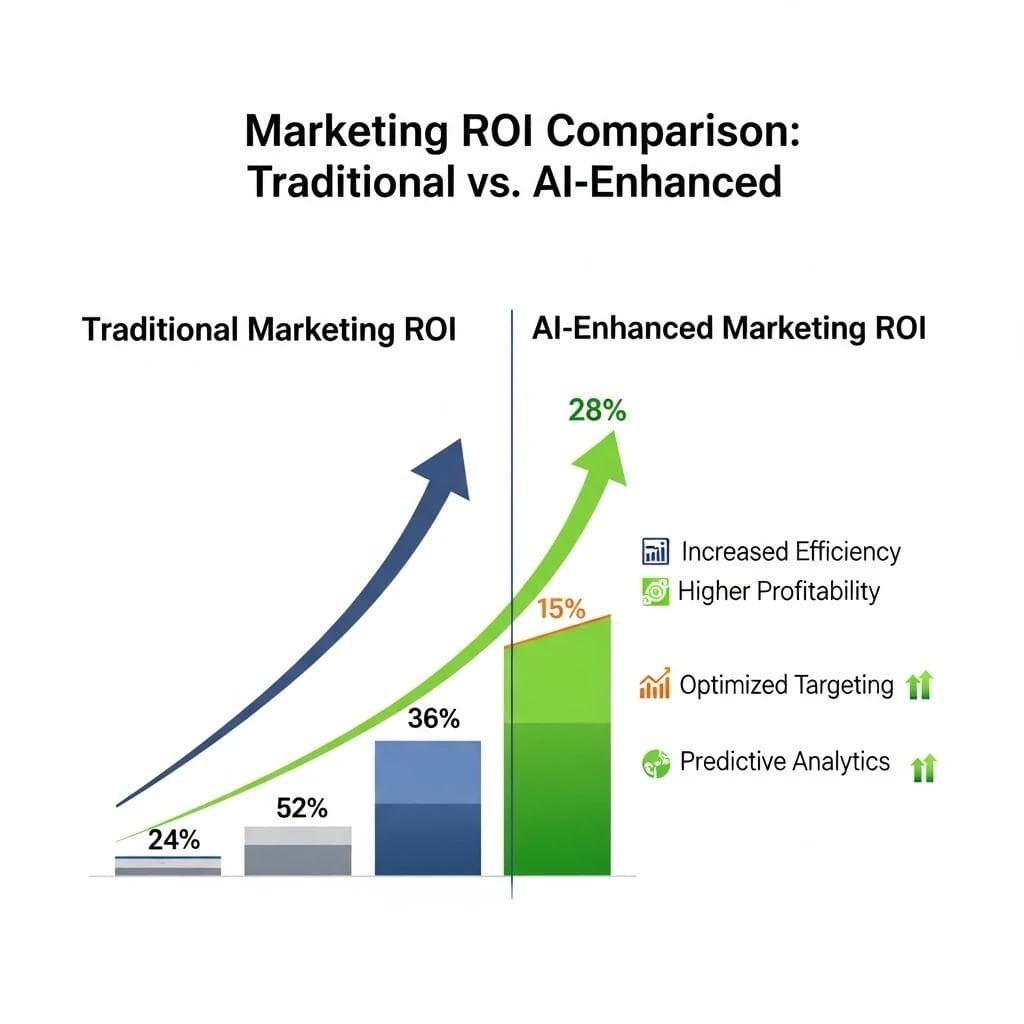
The true measure of any business investment lies in its return, and for modern AI virtual receptionist solutions, the financial gains are not just theoretical,they are profoundly tangible, reshaping traditional operational cost structures. Businesses are currently losing an average of $126,000 annually due to missed calls, with a staggering 85% of callers who reach voicemail never calling back. This is where the contrast with AI becomes stark.
Significant Cost Reductions and Operational Savings
Adopting AI receptionists dramatically shifts the economic landscape of customer service. Traditional human staff or conventional call center agents incur operational costs ranging from $3.00 to $11.00 per interaction. In sharp contrast, AI interactions typically cost between $0.15 and $0.50. This represents an astonishing 85-90% reduction in operational costs.
AI receptionists are not just cheaper; they are a strategic asset that protects revenue and enhances efficiency.
This substantial cost savings allows businesses to reallocate resources to high-value tasks, fueling growth and innovation. The efficiency gains extend beyond direct labor costs, as AI receptionists like those from AI Placers are agentic, handling multi-step workflows such as real-time calendar syncing, lead qualification, and direct CRM updates. This frees human staff to focus on complex problem-solving, increasing overall productivity by up to 30-50%.
Revenue Protection Through Uninterrupted Service
Beyond cost reduction, AI receptionists are powerful revenue protectors. They provide 24/7 customer service, ensuring no high-intent lead is ever missed, even outside standard business hours. With 40% of appointment bookings occurring after 5 PM, constant availability captures critical business that would otherwise go to competitors. This round-the-clock coverage safeguards potential income and improves customer satisfaction.
Industry-Specific ROI Highlights
The ROI for AI receptionists is particularly compelling in specialized sectors. Law firms, for instance, report up to a 1,775% ROI by automating intake processes, allowing legal professionals to concentrate on billable hours. Similarly, in healthcare, HIPAA-compliant healthcare AI solutions manage triage and scheduling securely, saving nurses over 100 hours of documentation annually. This demonstrates how specialized law firm AI and healthcare AI deliver tailored, impactful financial benefits.
To understand the practical application and tangible benefits of these solutions, consider how AI receptionists are effectively integrated into business models:
For businesses exploring the best options for enhancing customer engagement and reducing costs, understanding the capabilities of various AI virtual receptionist providers is key. The integration of advanced features, such as those offered by AI Placers, ensures businesses not only save money but also elevate their service quality. You can explore more about the best answering service for small business in 2026 that leverage AI technology to provide these substantial benefits.
How Do You Successfully Integrate and Manage AI Receptionists in Your Business?
The transition to an AI phone receptionist isn't merely about adopting new technology; it's about strategically integrating a powerful tool to redefine customer interaction. Success hinges on a clear roadmap, from defining precise call flows to ensuring robust regulatory compliance.
Defining Your AI Call Flows
Before deployment, meticulously map out every possible customer journey. Consider common inquiries, appointment scheduling, lead qualification, and urgent escalations. This foundational step ensures your AI voice agent understands its role implicitly, handling routine tasks while seamlessly triaging complex situations to human staff.
A well-defined call flow is the blueprint for your AI receptionist's effectiveness.
By anticipating caller needs, you empower the AI to deliver consistent, high-quality service, reducing the 85% of callers who won't call back after reaching voicemail.
Streamlined Setup and Robust Integration
Implementing an AI phone receptionist should be straightforward. Platforms like AI Placers offer no-code setup, enabling businesses to configure agents quickly and integrate them with existing CRM, calendar, and helpdesk systems. This ease of integration ensures a smooth transition, allowing your AI to instantly access and update critical business data, like syncing calendars in real-time. For more insights on leveraging these tools, explore how to boost efficiency with AI virtual receptionists.
Navigating Regulatory Compliance
For businesses, particularly in sectors like healthcare, regulatory compliance is non-negotiable. When deploying an AI phone receptionist, it's crucial to select a provider that offers HIPAA-compliant architecture and is willing to sign Business Associate Agreements (BAAs) to safeguard Protected Health Information (PHI).
Ensuring HIPAA compliance and data security is a critical due diligence step for any AI integration.
Beyond HIPAA, businesses should review all relevant data privacy regulations to ensure their AI solutions meet legal standards, especially given the intensified focus from bodies like the FCC and OCR.
Ongoing Optimization for Peak Performance
Initial setup is just the beginning. Successful management of an AI phone receptionist requires continuous monitoring and optimization. Regularly review call logs, sentiment analysis reports, and customer feedback to identify areas for improvement. Refine scripts, update information, and leverage new features to enhance performance. For more implementation tips and to see how other businesses benefit, exploring resources on the best answering service for small business can offer valuable insights. This iterative approach ensures your AI voice agent evolves with your business needs, delivering sustained efficiency and customer satisfaction.
Why Is Embracing AI Receptionists Non-Negotiable for Business Growth in 2026?

Embracing an AI receptionist in 2026 is no longer optional; it's a non-negotiable for sustainable business growth and competitive differentiation. The cost of inaction is severe: businesses lose an average of $126,000 annually from missed calls, with 85% of callers never returning. This exposes a critical vulnerability in traditional modern communication.
Today's AI voice agents are sophisticated, agentic systems. They execute end-to-end workflows: real-time calendar syncing, lead qualification, and direct CRM updates. This advanced customer service automation captures high-intent leads 24/7,critical as 40% of appointments are booked outside standard hours,directly protecting and boosting revenue.
The future of business demands this intelligent infrastructure. AI Placers provides AI voice agents with no-code setup and multilingual capabilities for seamless integration. This dramatically reduces operational costs by 85-90% and empowers human teams for high-value tasks. Prioritizing these solutions secures a vital competitive advantage and ensures enduring market success.
Ready to capture every lead and boost efficiency? Discover how AI Placers' advanced AI voice agents can transform your customer interactions. Visit AI Placers today!
Frequently Asked Questions About AI Receptionists
What are the biggest financial losses businesses face from missed calls?
Businesses can lose significant revenue from missed calls, with average annual losses reaching around $126,000. A staggering 62% of calls to small businesses go unanswered, and a majority of callers who reach voicemail won't call back, often turning to competitors instead.
How do AI receptionists improve business efficiency beyond just answering calls?
Modern AI receptionists are agentic, meaning they can execute multi-step workflows autonomously. This includes tasks like real-time calendar syncing, qualifying leads, and updating CRMs directly, freeing up human staff for higher-value activities and boosting overall productivity.
Can AI callers provide effective 24/7 customer service?
Yes, AI callers offer continuous 24/7 customer service, capturing high-intent leads and appointment bookings even outside standard business hours. This constant availability is crucial for revenue protection, as many bookings occur after 5 PM.
What kind of return on investment (ROI) can businesses expect from AI receptionists?
The ROI for AI receptionists can be substantial. For instance, law firms have reported up to 1,775% ROI through automated intake, and healthcare providers save significant staff hours on documentation and scheduling, all while reducing operational costs by up to 85-90% compared to traditional methods.
Are AI receptionists capable of handling multilingual customer interactions?
Yes, advanced AI receptionist platforms support over 100 languages natively. This allows businesses to scale their operations globally and cater to a diverse customer base without the need for extensive local hiring.
What are the key regulatory considerations for using AI receptionists, especially in healthcare?
Regulatory focus is intensifying, particularly for sensitive data. Businesses, especially in healthcare, must ensure their AI receptionist solutions are HIPAA-compliant and have robust Business Associate Agreements (BAAs) in place to handle Protected Health Information securely.