Making Calls Effortless: Your AI Virtual Receptionist Setup in 2026
This guide demystifies setting up an AI virtual receptionist for your business in 2026. Learn how to choose the right AI voice agent platform, configure essential features, and ensure compliance for seamless, cost-effective customer engagement. Discover the future of effortless communication and enhanced lead capture.

Making Calls Effortless: Your AI Virtual Receptionist Setup in 2026
What is an AI virtual receptionist and why is it crucial for your business in 2026? This guide demystifies the process of setting up an AI phone receptionist, offering a step-by-step approach to seamlessly integrate an AI voice agent into your operations. Learn how to leverage cutting-edge AI communication technology to eliminate missed calls, boost efficiency, and ensure 24/7 customer engagement, saving significant costs and enhancing lead capture. Discover how easy it is to deploy advanced automated calls without needing deep technical skills, transforming your call handling into an effortless, intelligent system.
What is an AI Virtual Receptionist and Why Does Your Business Need One Now?
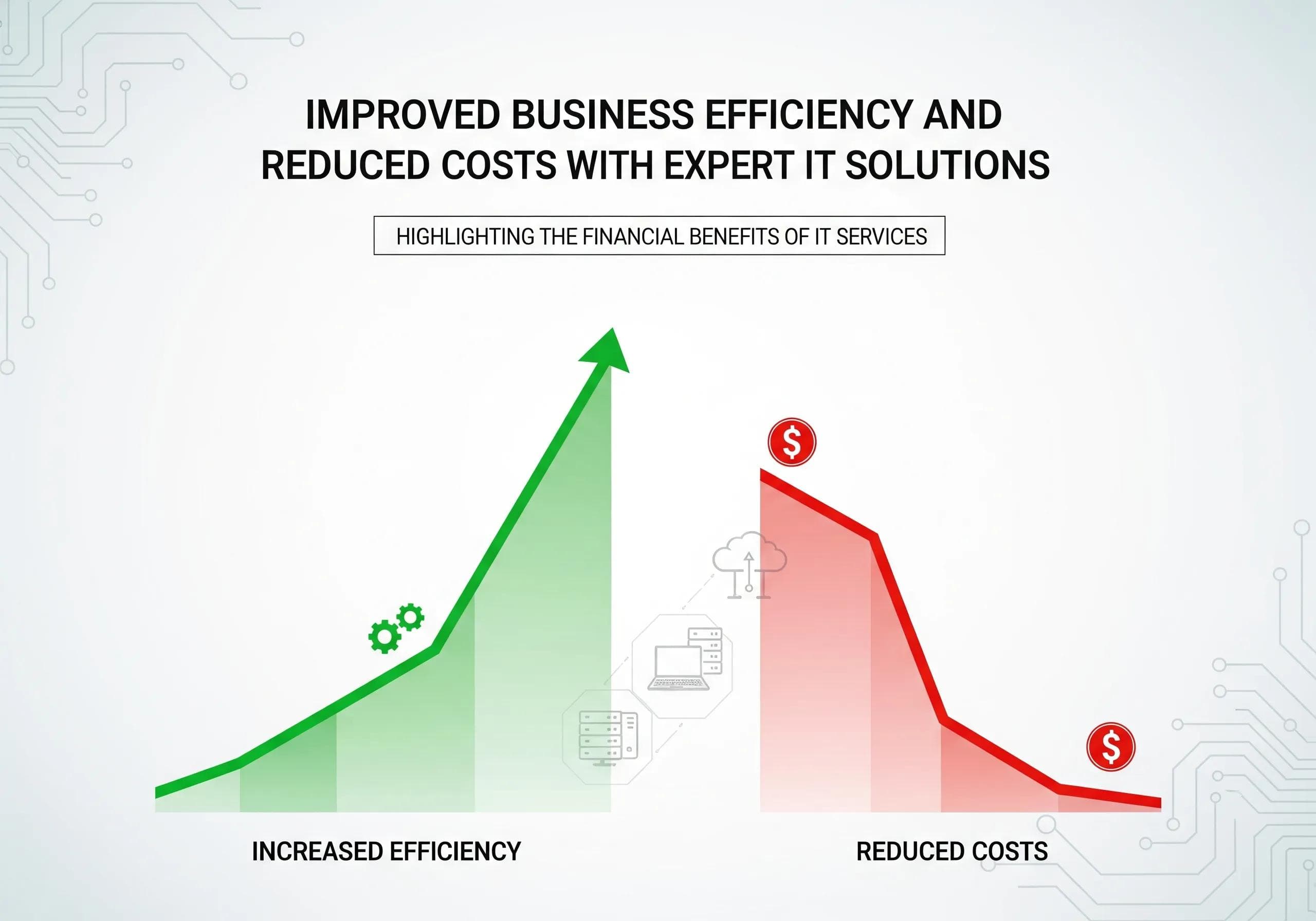
The idea of a tireless, always-on assistant managing your business calls once felt futuristic, but in 2026, the AI virtual receptionist is a reality transforming how companies operate. Far beyond simple answering machines, these sophisticated AI-powered systems can genuinely converse with callers, understand their intent, and perform a wide array of tasks traditionally handled by human staff.
An AI virtual receptionist, often called an AI phone receptionist, is intelligent software that leverages advanced natural language processing and voice synthesis to interact with customers over the phone. It's not just playing a recorded message; it's engaging in dynamic, human-like dialogue, processing information, and executing workflows in real time. This capability means handling inquiries, booking appointments, and even qualifying leads without human intervention.
Why Your Business Needs AI Communication Now
For many businesses, particularly small to medium-sized enterprises, the question isn't if to adopt an AI virtual receptionist, but when. The answer is now, as 2026 marks a pivotal year for mainstream enterprise adoption. The global conversational AI market is projected to reach approximately $30 billion by 2028, reflecting a significant shift in business operations.
Eliminate Missed Opportunities: Imagine a world where no customer call goes unanswered, regardless of the hour. Businesses implementing 24/7 AI calling agents report a staggering 30-40% increase in lead capture simply by eliminating missed after-hours calls. This consistent availability ensures every potential lead is engaged.
Significant Cost Savings: The financial benefits are compelling. AI agents typically cost between $0.11 and $0.25 per minute, a dramatic contrast to the $1.00 to $2.50 per minute average for outsourced human receptionists. This efficiency translates directly to your bottom line.
Boost Operational Efficiency: Gartner predicts that by 2026, generative AI will automate 80% of routine customer service interactions. This frees up your human team to focus on complex tasks, strategic initiatives, and higher-value customer engagements. Our AI voice agents at AI Placers are designed to make customer service automation simple and effective.
Modern AI receptionists operate with sub-500ms latency, effectively eliminating the awkward pauses that characterized earlier iterations, making interactions feel natural and seamless. For those looking to understand the practical steps, learning how to create an AI receptionist for your business has never been easier.
This guide will walk you through setting up an AI virtual receptionist that sounds human, offers no-code setup, and provides multilingual support to improve customer experience and reduce operational costs. It's time to embrace the future of AI communication and ensure your business is always ready to connect.
How Do You Choose the Best AI Voice Agent Platform for Your Needs?
Selecting the ideal AI voice agent platform is a strategic decision impacting efficiency and customer experience. It’s about finding a solution that integrates seamlessly and delivers tangible business value, not just impressive tech.
Navigating Platform Types: Custom vs. Turnkey
The market offers two primary paths. API-first platforms, like Retell AI, Bland AI, or Vapi, provide extensive customization. These suit businesses with in-house development teams needing a bespoke AI calling agent that integrates deeply.
Conversely, turnkey solutions such as Dialpad and RingCentral focus on ease of deployment. They offer ready-to-use functionalities, making them ideal for businesses seeking a quick, hassle-free AI phone receptionist without technical expertise.
Align your platform choice with your technical resources and desired control.
Essential Features for Your AI Receptionist
When evaluating options, prioritize features for efficiency and satisfaction:
- Integration: Seamlessly connect with your CRM, calendar, and phone system. AI Placers solutions feature no-code setup for enhanced workflows.
- Custom Persona: Define your AI receptionist's tone and style, using Emotional Intelligence for natural, brand-consistent interactions.
- Compliance & Security: Adherence to TCPA, GDPR, and clear caller disclosure is paramount.
- Scalability: Ensure platform adaptability for growth. Explore top AI phone receptionist solutions for broader insights.
The best AI voice agent platform meets your needs, boosting efficiency and improving customer experience. It ensures no call is missed, capturing leads and significantly reducing operational costs. For setup guidance, refer to resources on selecting the best AI receptionist platforms.
This video offers a quick look at building an AI receptionist, highlighting the simplicity of modern AI deployment.
Choosing wisely empowers your business with an intelligent communication tool that truly supports your growth.
What are the Essential Steps to Setting Up Your AI Virtual Receptionist?

Setting up your AI virtual receptionist effectively is the cornerstone of transforming your business communication. We've seen firsthand that a well-configured AI voice agent doesn't just answer calls; it becomes a seamless extension of your brand, handling interactions with precision and a human-like touch. The global conversational AI market is booming, projected to reach $30 billion by 2028, and 2026 marks a pivotal year for mainstream enterprise adoption. Here’s how you can ensure your AI virtual receptionist setup is ready to meet that demand.
1. Define Your AI Persona and Objectives
The first crucial step in your AI virtual receptionist setup is crafting its persona. Think of this as shaping the digital personality and role of your new team member. Will it be a friendly guide, a professional scheduler, or an empathetic support agent? Your System Prompt is vital here, defining the agent's core objective, tone, and conversational boundaries.
A clear persona ensures consistent brand representation and improves caller experience.
Modern AI calling agents leverage Emotional Intelligence (EQ) models, allowing them to detect caller sentiment and adjust their tone dynamically. This level of nuance makes interactions far more natural and effective, often indistinguishable from human conversations.
2. Engineer the Core Prompts and Conversation Flows
Once the persona is set, the next stage involves prompt engineering , teaching your AI voice agent setup how to think and respond. This means designing initial prompts for common interactions like greeting callers, scheduling appointments, or answering frequently asked questions. For instance, a simple prompt might guide the AI to ask, “How can I help you today?” and then direct it based on keywords.
Platforms like AI Placers emphasize a no-code setup, simplifying this process immensely. You don’t need to be a developer to create sophisticated conversation flows. Our experience shows that clear, concise prompts lead to more efficient and satisfying caller interactions.
3. Integrate Knowledge and Data Sources
A truly effective AI caller isn't just a good talker; it's an informed one. Integrating your AI with vital business data is paramount. Using Retrieval-Augmented Generation (RAG) technology, your AI receptionist can access live company information, calendars (like Cal.com or Calendly), and CRMs (such as Salesforce or HubSpot).
This integration allows the AI to book appointments, provide specific account updates, or access product details without human intervention. It transforms the AI from a simple answering machine into a powerful, data-driven assistant, capable of real-time problem-solving and personalized service. Explore how AI Placers can elevate your customer interactions with seamless AI voice agents.
4. Configure Compliance and Disclosure
Beyond functionality, a responsible AI virtual receptionist setup demands strict adherence to regulatory standards. In 2026, this means navigating regulations like the Telephone Consumer Protection Act (TCPA) and GDPR. Mandatory disclosure that the caller is speaking to an AI is crucial, often required at the beginning of a call.
Ensuring SOC2 Type II data handling and robust security protocols protects both your business and your callers. As Gartner predicts, by 2026, generative AI will automate 80% of routine customer service interactions, making compliance a non-negotiable part of scaling your AI operations. You can find more information on regulatory guidelines at Gartner.
A meticulously planned and executed setup ensures your AI virtual receptionist not only meets but exceeds expectations, delivering efficiency and superior customer experience from day one.
How Can You Optimize Your AI Receptionist for Peak Performance and Customer Satisfaction?
Once your AI virtual receptionist is live, the journey isn't over,it's just beginning. True success comes from continuous optimization, ensuring it consistently delivers peak performance and elevates customer satisfaction.
Refining AI Phone Receptionist Training
Think of your AI as a valuable team member that requires ongoing coaching. Initial AI phone receptionist training involves refining its system prompt, particularly for handling edge cases or complex queries. Regularly review call transcripts and adjust the AI's persona or knowledge base to address any misunderstandings or areas where it could be more helpful.
Iteration is key to sharpening your AI's conversational abilities.
This iterative process, much like agile development, allows your AI to learn and adapt, continuously improving its responses and enhancing its capacity for call handling and appointment scheduling.
Monitoring Performance for AI Receptionist Optimization
Effective AI receptionist optimization hinges on robust monitoring. We look beyond simple call counts to analyze metrics such as call resolution rates, average handling time, and customer sentiment. Platforms like AI Placers offer real-time reporting and performance analytics that highlight exactly where your AI excels and where it might need further refinement.
Proactive monitoring helps you catch and correct issues before they impact customer experience.
These insights are crucial for identifying patterns, such as frequently asked questions that could be handled more efficiently or specific scenarios that require a more nuanced response.
Implementing AI Communication Best Practices
To ensure seamless interactions, adhere to AI communication best practices. Always ensure your AI clearly discloses its identity to callers, fostering transparency and trust. Train your AI to leverage its Emotional Intelligence (EQ) models to detect caller sentiment and adjust its tone dynamically, ensuring empathic and professional responses.
A well-optimized AI receptionist isn't just efficient; it's also a powerful tool for enhancing customer satisfaction.
For businesses looking for a no-code setup that provides a human-like voice and ensures high customer satisfaction through continuous optimization, exploring solutions like AI Placers' voice AI platform can make a significant difference. Further, understanding how AI voice agents transform customer care can provide deeper insights into operational excellence and overall customer service automation.
What Critical Compliance and Security Considerations are There for AI Calling Agents?

Deploying AI virtual receptionists in 2026 offers immense efficiency, but it also introduces a critical need for robust legal and ethical adherence. Businesses must navigate a complex landscape of regulations to ensure their AI voice agent regulations are met, protecting both their operations and their callers.
Safeguarding Caller Data and Privacy
At the forefront of AI communication compliance is data privacy. As AI agents handle sensitive information,from appointment details to personal inquiries,ensuring its protection is paramount. This means implementing stringent data handling protocols, much like those required for any human interaction.
Robust data protection builds trust and prevents costly breaches.
For businesses operating globally, adherence to the General Data Protection Regulation (GDPR) is non-negotiable. This regulation dictates how personal data is collected, processed, and stored, requiring explicit consent and transparent data practices, even when an AI is on the line. Failing to comply can lead to significant financial penalties and damage to your brand's reputation.
Navigating Regulatory Compliance
Beyond global data privacy, specific communication laws govern AI interactions. The Telephone Consumer Protection Act (TCPA) in the U.S., for instance, sets strict rules for unsolicited calls and requires express consent for automated dialing systems. While AI receptionists primarily handle inbound calls, understanding these regulations helps prevent any missteps if outbound call capabilities are introduced.
Transparency about AI interaction is a legal and ethical imperative.
Crucially, transparency is key. Recent FCC rulings clarify that while AI-generated voices are permitted for business-to-consumer inbound reception, mandatory disclosure is a must. Callers must be informed upfront that they are speaking with an AI receptionist security agent, not a human. This ensures ethical interaction and maintains caller trust.
Ensuring AI Receptionist Security
Compliance extends to the underlying security of your AI platform. Your chosen solution should offer robust security certifications like SOC2 Type II, which verifies an organization's controls for security, availability, processing integrity, confidentiality, and privacy. This level of AI receptionist security ensures that your caller data is protected against unauthorized access and cyber threats.
At AI Placers, we understand these critical compliance demands. Our AI voice agents are designed with built-in features that facilitate GDPR and TCPA compliance, ensuring businesses can confidently leverage automation without legal worries. For instance, our solutions for healthcare and clinics are developed with specific data sensitivity in mind.
By prioritizing compliance and security from the outset, businesses can deploy AI virtual receptionists that are both efficient and ethically sound, laying a foundation for sustainable growth and customer confidence.
Can Common Issues with AI Communication Be Easily Resolved and What If the AI Doesn't Understand?
Even with advanced AI virtual receptionists in 2026, concerns about misunderstandings or communication breakdowns are natural. The good news is that most common issues with AI communication can be resolved effectively, often through refined prompt engineering or by leveraging the AI's inherent learning capabilities.
When the AI Doesn't Understand: A Structured Approach
One of the most frequent questions we encounter is, “What happens if the AI doesn't understand the caller?” Modern AI voice agents are designed with robustness in mind. When an AI virtual receptionist encounters an ambiguous phrase, an unusual accent, or a complex multi-part request, it doesn't simply hang up or provide a generic response.
Modern AI is equipped to handle nuance and ambiguity.
Instead, the system employs several strategies:
- Clarification Prompts: The AI will politely ask for rephrasing or more specific information, similar to how a human would. This iterative dialogue helps narrow down the intent.
- Contextual Analysis: Utilizing emotional intelligence (EQ) models, the AI can infer sentiment and urgency, attempting to guide the conversation based on the broader context of the call and the caller’s tone.
- Escalation Pathways: If the AI cannot resolve the query after several attempts, it is programmed to offer a clear escalation path. This might involve transferring the call to a human agent, taking a message for a callback, or providing alternative self-service options. This ensures no customer interaction is truly lost.
Common AI Communication Troubleshooting & FAQs
Effective AI communication troubleshooting often involves fine-tuning your initial setup and continuously monitoring performance. Here are some frequently asked questions and their solutions:
- How can I improve the AI's understanding of specific industry jargon? The key lies in your knowledge base and prompt engineering. Ensure your Retrieval-Augmented Generation (RAG) system is fed with comprehensive, industry-specific data. Continuously update your system prompt with relevant terminology and expected dialogue patterns. AI Placers’ no-code setup makes these adjustments straightforward, enabling quick iterations for your AI voice agents.
- What if callers complain about the AI sounding robotic? While sub-500ms latency has virtually eliminated awkward pauses, the perceived naturalness of the voice is crucial. Ensure you’re using high-fidelity voice models and have invested in a well-defined persona. The 'Empathic Voice' interfaces available today can make AI receptionists virtually indistinguishable from humans.
- How do we handle multilingual support? Many platforms, including AI Placers, offer robust multilingual capabilities. Configure your AI agent to detect language automatically or provide a language selection option upfront. This expands your reach and improves AI caller support for diverse customer bases.
For businesses looking to integrate advanced appointment handling with AI, exploring the underlying principles of AI agent development can be insightful:
By proactively addressing these AI receptionist FAQs, businesses can ensure a smooth, efficient, and highly satisfactory customer experience. We at AI Placers specialize in providing intuitive, high-performance solutions across diverse use cases, ensuring your AI agents are always ready to deliver.
What's the Future of Effortless Calls with AI Virtual Receptionists in 2026 and Beyond?

Having journeyed through the intricacies of selecting, setting up, and optimizing an AI virtual receptionist, we've seen how these intelligent agents are transforming business communication. From defining a precise persona with robust prompt engineering to integrating live data for seamless operations and ensuring stringent compliance, the path to an efficient AI-powered front office is clearer than ever. The immediate AI phone receptionist benefits are undeniable: enhanced lead capture, 24/7 availability, and significant cost savings.
Looking ahead, the AI virtual receptionist future in 2026 and beyond promises even more sophisticated interactions. The global conversational AI market is poised to reach approximately $30 billion by 2028, with 2026 marking a pivotal year for widespread enterprise adoption. This isn't just about automation; it's about elevating customer experience to new heights, making calls truly effortless.
The Evolution of Effortless AI Communication
Recent advancements like OpenAI’s Realtime API and Google’s Gemini Live have standardized high-fidelity, multimodal voice interactions, reducing latency to sub-500ms. This effectively eliminates the awkward pauses that plagued earlier AI systems, making conversations flow more naturally. Furthermore, new 'Empathic Voice' interfaces can now detect and respond to vocal nuances like tremors or urgency, allowing AI receptionists to adjust their tone dynamically and professionally, often becoming indistinguishable from a human in a professional setting.
AI is not just answering calls; it's understanding and empathizing.
By 2026, Gartner predicts generative AI will automate 80% of routine customer service interactions. Businesses utilizing 24/7 AI calling agents are already reporting a 30-40% increase in lead capture, simply by ensuring no after-hours call goes unanswered. This proactive engagement is a massive AI communication impact on growth.
Embracing the Future with AI Placers
As we’ve explored, the technology is ready, and the benefits are profound. The cost analysis speaks for itself, with AI agents costing a fraction of human counterparts. The ability to integrate with existing systems like CRMs and calendars means a truly intelligent, autonomous agent is within reach for any business.
For those ready to harness this transformative power, platforms like AI Placers offer intuitive, no-code solutions that simplify the deployment of advanced AI voice agents. We specialize in creating AI agents that sound human, offering features like multilingual support and real-time reporting to ensure your business stays ahead. To understand how easily you can begin building and automating these powerful systems, consider exploring resources on building AI agents with no-code.
The future of customer interactions is intelligent, efficient, and deeply personalized. The time to integrate these powerful tools into your business strategy is now.
Ready to transform your call handling with an intelligent AI virtual receptionist? Explore the no-code solutions at AI Placers and revolutionize your customer engagement today!
People Also Ask
What exactly is an AI virtual receptionist?
An AI virtual receptionist is an advanced AI voice agent designed to handle incoming calls for your business. It can answer calls, provide information, schedule appointments, qualify leads, and transfer calls, mimicking human receptionist capabilities with high efficiency and availability.
How much does an AI virtual receptionist typically cost?
Pricing models differ, and the difference matters. Per-minute billing is the common one, usually $0.11 to $0.25 a minute — which means a long call costs you more whether or not it ends in a booking. AI Placers prices per booked job instead: from $199 a month for up to 25 booked jobs, which works out at $7.96 per booked job at the top of that band and falls to $3.30 per booked job at the highest volume. Minutes and seats are unlimited on every band, and there is no setup fee.
Can an AI receptionist integrate with my existing business tools?
Yes, most modern AI virtual receptionist platforms offer robust integration capabilities. They can connect with CRMs like Salesforce and HubSpot, and scheduling tools like Calendly or Cal.com, allowing for seamless data flow and automated appointment booking.
What are the key compliance requirements for AI calling agents in 2026?
In 2026, critical compliance includes adhering to TCPA and GDPR regulations. Businesses must clearly disclose that callers are speaking with an AI and ensure data handling meets standards like SOC2 Type II for security and privacy.
How does an AI receptionist handle callers who speak different languages?
Many advanced AI voice agents offer multilingual support, allowing them to communicate effectively with callers in various languages. This ensures a broader customer base can be served without the need for additional human staff.
What happens if the AI receptionist doesn't understand a caller?
If an AI receptionist encounters a query it cannot understand, it's programmed to escalate the call to a human agent or offer alternative solutions. Advanced systems also learn from these interactions to improve their understanding over time.