Streamline Your Business Calls: The AI Receptionist's 2026 Guide
Explore the revolutionary changes defining AI receptionists in 2026. This guide details why these advanced AI phone receptionists are essential for business efficiency, how they deliver next-level customer experiences, and the regulatory landscape they navigate. Learn how to seamlessly implement this transformative technology for a competitive edge.

Streamline Your Business Calls: The AI Receptionist's 2026 Guide
Discover what an AI receptionist is and why it's a game-changer for business efficiency in 2026. This guide details how these advanced AI phone receptionists automate call handling, reduce costs by up to 90%, and ensure 24/7 availability, eliminating missed opportunities. Learn how integrating AI virtual receptionists can transform customer service, enhance lead capture, and free up human staff for high-value tasks, providing a significant competitive edge.
What Revolutionary Changes Define AI Receptionists in 2026?
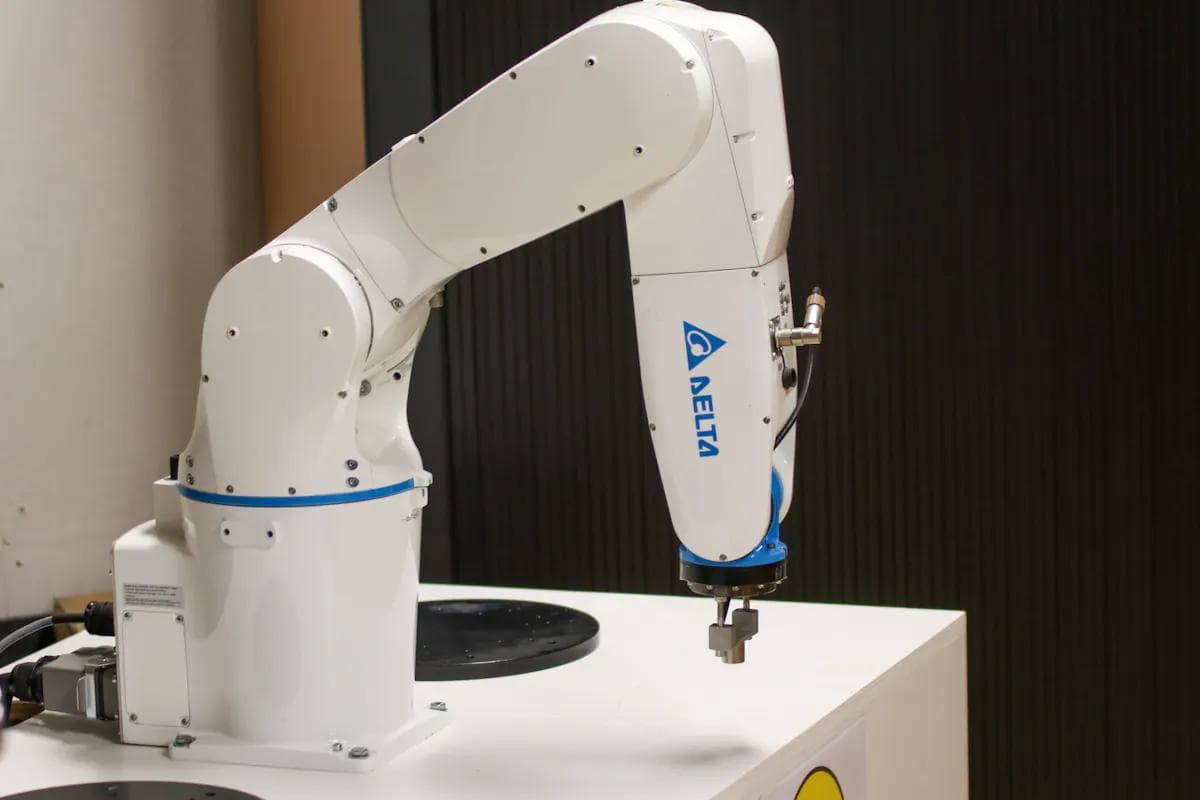
The landscape of business communication has undergone a profound transformation, leaving behind the rudimentary Interactive Voice Response (IVR) systems of old. In 2026, an AI receptionist isn't just an answering machine; it’s a sophisticated AI virtual receptionist that fundamentally redefines how businesses manage inbound calls and customer interactions.
The Shift to Autonomous Interaction
Gone are the days of missed calls and frustrating hold music. Modern AI phone receptionists handle an unlimited number of parallel calls, ensuring every incoming inquiry is addressed instantly, 24/7. This operational efficiency is a game-changer, especially when considering small businesses miss approximately 62 percent of calls, a problem AI automation resolves with a 100 percent pickup rate. Such systems, like those offered by AI Placers, are built to streamline your business calls by eliminating wait times and busy signals.
AI receptionists are designed for immediate, intelligent engagement, not just basic routing.
These advanced AI voice agents leverage Natural Language Understanding (NLU) to autonomously resolve up to 80 percent of routine queries. This goes far beyond simple menu prompts; they understand context and intent, providing a seamless and human-like conversational experience. The global conversational AI market is projected to reach 15.12 billion USD in 2026, highlighting the rapid adoption and trust in these capabilities.
Core Functionalities Redefining Engagement
Intelligent Call Handling & Workflow Integration
Today's AI receptionists are not merely voice interfaces; they are proactive participants in your business operations. They utilize multimodal Large Language Models (LLMs) for real-time emotional intelligence, detecting caller frustration or urgency and adjusting their tone or escalating to a human with greater accuracy than previous models. This sophisticated interaction ensures a positive customer experience, which is crucial for engagement.
Beyond just answering, 2026 agents act as autonomous executors. They sync directly with your Customer Relationship Management (CRM) systems,like Salesforce and HubSpot,to update lead records, book calendar appointments, and even process PCI-compliant payments. This integration leads to a significant 23 percent average increase in booked appointments and a 35 percent reduction in call handling time.
Global Reach and Regulatory Compliance
One of the most revolutionary aspects is the unparalleled multilingual support. Top-tier platforms now support over 110 languages, capable of handling mid-conversation language switching, opening global markets without additional staffing costs. This broad capability means businesses can cater to a diverse customer base effortlessly.
Furthermore, the regulatory landscape has evolved. Effective January 2026, the FCC One-to-One Consent Rule mandates explicit individual consent for automated calls and requires clear AI disclosure at the start of every interaction. This ensures consumer transparency and trust, a critical factor for business adoption.
For more insights into how these systems are transforming small businesses, you can explore resources on the best AI receptionist for small business and compare various AI phone receptionist solutions available today. The self-learning capabilities of these voice agents, analyzing conversation data to refine responses without manual reprogramming, further cement their role as a truly revolutionary business asset, as highlighted by AI Placers' focus on AI-driven solutions. Security mechanisms have also been deployed to protect against malicious bot interactions and voice cloning, ensuring robust protection for your customer interactions.
Why is an AI Receptionist Essential for Business Efficiency in 2026?
In the rapidly evolving business landscape of 2026, the question isn't whether your business needs an AI receptionist, but how quickly you can integrate one to maintain a competitive edge. This isn't merely about adopting new technology; it's about fundamentally reshaping your operational core for unparalleled efficiency and sustained growth.
One of the most immediate and tangible benefits of an AI receptionist is significant cost reduction. Traditional human agents average between $3.00 to $6.00 per interaction. By stark contrast, an AI calling agent handles calls for just $0.10 to $0.50 per interaction, representing an impressive 90 percent savings. This dramatic shift allows businesses to reallocate resources to strategic initiatives rather than routine call management. Solutions like those offered by AI Placers AI voice agents deliver this cost efficiency without compromising quality.
AI isn't just saving pennies; it's transforming entire operational budgets.
Beyond cost, consider the pervasive problem of missed opportunities. Small businesses, in particular, miss an astonishing 62 percent of incoming calls. This translates directly into lost leads, frustrated customers, and diminished revenue. An AI receptionist, however, ensures a 100 percent pickup rate and provides 24/7 availability, guaranteeing that no potential client or urgent query ever goes unanswered. This level of automated call handling transforms customer accessibility.
Modern AI receptionists excel in operational efficiency far beyond simple answering. Unlike legacy Interactive Voice Response (IVR) systems, these agents leverage Natural Language Understanding (NLU) to resolve up to 80 percent of routine queries autonomously. They can handle unlimited parallel calls, eliminating wait times and busy signals, all while maintaining a natural conversational flow with latencies as low as 400-600ms,well below the 800ms threshold for human-like interaction.
This technology provides a clear strategic advantage. Businesses implementing AI have reported a 23 percent average increase in booked appointments and a 35 percent reduction in call handling time. Furthermore, today's AI calling agent seamlessly integrates with Customer Relationship Management (CRM) systems like Salesforce and HubSpot, enabling autonomous execution,from updating lead records and booking calendar appointments to processing PCI-compliant payments. This comprehensive functionality makes an AI receptionist an essential tool for boosting business efficiency 2026.
For businesses aiming for broader reach, the multilingual capabilities of AI receptionists are invaluable. Top-tier platforms now support over 110 languages, with the ability to switch languages mid-conversation. This expands your market potential without the overhead of additional multilingual staff, making it a powerful component of any best AI answering service for small business.
Ultimately, an AI receptionist is no longer a luxury but a fundamental requirement for optimizing customer service automation and securing a competitive edge in 2026. Businesses that embrace this technology, like those utilizing AI Placers use cases, are not just adapting; they are leading.
How Do 2026 AI Receptionists Deliver Next-Level Customer Experiences?
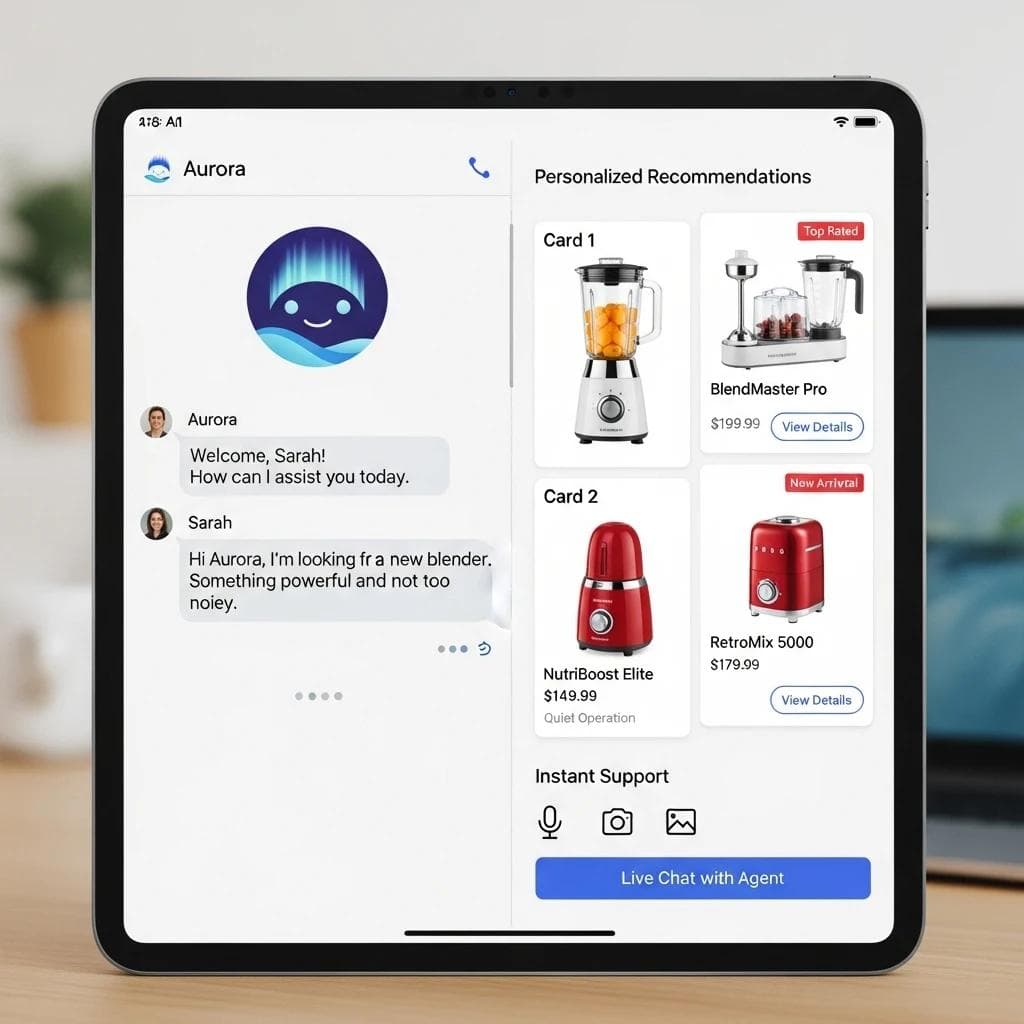
The leap from traditional Interactive Voice Response (IVR) systems to 2026 AI receptionists is nothing short of revolutionary, transforming customer interactions from frustrating experiences into seamless engagements. These aren't just automated menus; they are sophisticated AI virtual receptionist solutions, powered by advancements that redefine efficiency and customer satisfaction.
Elevating Customer Interactions with Advanced AI Voice Agents
At the core of this transformation lies the integration of advanced Large Language Models (LLMs), enabling these AI voice agents to understand and respond with unprecedented nuance. Unlike rigid, script-based systems, modern AI receptionists process natural language, allowing them to resolve up to 80 percent of routine queries autonomously. This capability means businesses can handle unlimited parallel calls, virtually eliminating wait times and busy signals, a stark contrast to the approximate 62 percent of calls small businesses often miss.
Modern AI voice agents detect caller emotions in real-time, adapting their responses for a truly human-like conversation.
These systems have achieved latency rates of 400-600ms, well below the 800ms threshold for natural human conversation, making interactions feel fluid and authentic.
Real-time Emotional Intelligence
What truly sets 2026 AI receptionists apart is their sophisticated emotional intelligence. Utilizing multimodal LLMs, they can detect subtle cues of caller frustration, urgency, or satisfaction. This allows the AI to adjust its tone dynamically or escalate calls to a human agent with 25 percent greater accuracy than models from just two years prior. This empathetic approach ensures that even automated call handling feels personalized and supportive.
Seamless Workflow Integration: Beyond Basic Call Handling
Beyond just answering calls, these advanced AI voice agents act as autonomous workflow executors. They don't just record information; they integrate directly with your existing business tools. For instance, AI Placers' solutions sync seamlessly with Customer Relationship Management (CRM) systems like Salesforce and HubSpot to update lead records, book appointments directly into calendars, and even process PCI-compliant payments securely. This level of workflow integration transforms a simple call into a productive business action. To see a real-world example of an advanced AI agent in action, consider this:
Global Reach and Operational Efficiency
The global capabilities of these systems are equally impressive. Top-tier platforms offer multilingual support for over 110 languages, capable of mid-conversation language switching. This means businesses can expand their global reach without incurring additional staffing costs, making a truly global customer experience accessible. Such efficiency leads to a 23 percent average increase in booked appointments and a 35 percent reduction in call handling time, demonstrating tangible business benefits. For more insights into how these technologies are making an impact, you can explore how AI Voice Agents: Smart Receptionist for SMBs 2026 are stopping the hidden cost of missed calls.
The 2026 AI receptionist is not merely a cost-saving tool but a strategic asset, delivering consistent, intelligent, and emotionally aware customer experiences that drive business growth and satisfaction.
What Regulatory Shifts and Security Measures Govern AI Callers in 2026?
As AI callers become an indispensable part of modern business communication, the regulatory landscape is rapidly evolving to ensure transparency and consumer protection. The year 2026 marks a significant shift, particularly with new federal mandates shaping how automated interactions are conducted and secured. Businesses must now prioritize compliance alongside technological advancement to build and maintain trust.
Navigating the New Regulatory Environment
Effective January 2026, the FCC One-to-One Consent Rule fundamentally changes how businesses engage with consumers via automated calls. This crucial update mandates explicit, individual consent for every automated interaction. It means moving beyond broad, general agreements to secure clear, specific permission from each consumer before engaging them with an AI caller, fostering a more respectful and personalized communication experience.
Transparency is equally paramount. Federal law now strictly requires clear AI disclosure at the very beginning of every automated interaction. Callers must be immediately informed they are speaking with an AI, fostering trust and setting appropriate expectations for the interaction.
Fortifying Against Threats: Security and Fraud Prevention
Beyond regulatory adherence, robust security and fraud prevention measures are critical to protecting both the integrity of the AI receptionist and sensitive caller data. Modern AI voice agents are equipped with advanced mechanisms designed to thwart malicious bot-on-bot interactions and sophisticated voice cloning attempts, ensuring system resilience.
These systems employ continuous background safety checks, ensuring that customer interactions remain secure and private. For businesses, this translates to peace of mind, knowing their operations and customer information are protected against emerging threats.
At AI Placers, we understand the critical balance between innovation and compliance. Our AI voice agents are designed not only for unparalleled efficiency but also with built-in features that ensure adherence to the latest regulations. This includes robust security and fraud prevention protocols, making our platform a trusted choice for businesses looking for leading AI phone-answering services. Our commitment extends to providing features that support HIPAA compliance for sectors like healthcare and clinics, demonstrating our dedication to data privacy.
This integrated approach ensures that while businesses streamline operations and enhance customer experience with advanced AI, they also operate within a secure and legally compliant framework.
Which Leading AI Phone Receptionist Solutions Stand Out for 2026 Businesses?
The global conversational AI market is set to explode, projected to reach an astounding 15.12 billion USD by 2026. This surge underscores a critical truth: choosing the right AI phone receptionist is no longer a luxury but a strategic imperative. These advanced platforms are fundamentally reshaping how businesses operate, driving both efficiency and deeper customer connections.
Leading AI phone receptionist providers are setting new benchmarks with their advanced features, seamless integrations, and adaptable pricing. They're not just answering calls; they're intelligently routing them and capturing crucial leads.
Key Players and Their Strengths
Goodcall, for instance, provides robust virtual receptionist and phone assistant services. It's an ideal, cost-effective choice for small to medium businesses seeking straightforward automated call handling and basic routing without major infrastructure changes.
Goodcall excels in lead capture, call forwarding, and scheduling. It's a strong pick for firms needing a lightweight, modular AI answering service that integrates quickly. While specific pricing varies based on usage and feature tiers, Goodcall offers transparent models designed for accessibility.
Among the top AI virtual receptionist options, Smith.ai stands out. It offers a unique hybrid model, blending AI with live receptionist services for 24/7 support.
This means routine calls are automated, while complex queries benefit from human oversight, guided by custom "call playbooks." This approach offers the best of both worlds: AI efficiency with human empathy, ensuring nuanced attention for sensitive issues. Smith.ai's pricing typically involves a base fee for AI services, with additional costs for live agent minutes or specific feature bundles, offering flexibility for varying business needs.
The best solutions offer advanced NLU and workflow integration, turning a simple call into a streamlined business process.
Beyond these, Trillet emerges as a pioneer in voice AI, renowned for its extremely low latency. With response times often reaching 400-600ms, Trillet ensures conversations feel remarkably natural and human-like, well below the 800ms threshold for seamless interaction.
This focus on high-fidelity voice is vital for caller satisfaction and trust, making Trillet suitable for businesses where conversational flow and a premium caller experience are paramount. While specific pricing varies based on usage and advanced capabilities, Trillet positions itself as a sophisticated solution for intelligent call routing.
For a broader comparison of providers, you can explore more in leading AI phone-answering service providers.
Our own AI Placers excels in delivering AI voice agents that sound indistinguishable from humans. This is achieved through advanced voice synthesis and natural language processing, ensuring conversations flow as smoothly and authentically as with a human agent, fostering immediate caller trust.
We offer a no-code setup for rapid deployment and robust multilingual support for global reach. Our platform is designed to dramatically improve customer experience while significantly reducing operational costs.
Our agents act as autonomous executors, syncing directly with CRMs to update records and book appointments seamlessly. To understand how our cost-effective AI solutions can benefit your business, explore our AI receptionist pricing.
Choosing the Right AI Receptionist Solution
Choosing the optimal AI phone receptionist goes beyond a simple feature comparison. Businesses must weigh integration capabilities with existing CRM and scheduling systems, the required level of natural language understanding, and compliance with regulations like the FCC One-to-One Consent Rule.
For instance, a healthcare practice will prioritize HIPAA compliance and seamless integration with patient management systems. These are precisely the areas where specialized AI solutions for healthcare truly excel, offering tailored automated call handling.
Ultimately, the right AI solution becomes a strategic asset, ensuring no calls are missed and every interaction is optimized. This is why platforms featuring robust real-time reporting and performance analytics, such as our AI Placers voice AI platform, are invaluable. They provide the insights needed for continuous improvement and maximizing your return on investment.
How Can Your Business Seamlessly Implement an AI Receptionist Today?
The journey to getting started with AI receptionists for your business is remarkably straightforward, far removed from the complex IT projects of yesteryear. Today, platforms prioritize ease of adoption, enabling even small businesses to integrate advanced voice AI without extensive technical expertise. It’s about leveraging smart technology to enhance operations, not complicate them.
Simplified AI Receptionist Setup
Transitioning to an AI receptionist setup no longer requires a team of developers. Modern solutions, like those from AI Placers, offer intuitive, no-code setup interfaces. Typically, the process begins with defining your specific needs: what calls do you want the AI to handle? Is it appointment scheduling, answering FAQs, or routing urgent queries? This initial clarity guides the entire implementation.
A clear vision of desired call flows simplifies configuration significantly.
Next, you'll configure the AI's persona and script. Many platforms provide templates that can be customized with your brand's voice and specific responses. You'll input common questions and their corresponding answers, allowing the AI to learn your business's unique conversational patterns. This foundational work ensures the AI can accurately represent your brand and efficiently manage caller interactions.
Initial Configuration and Integration
Once the basic scripts are in place, the focus shifts to more granular configuration. This involves setting up call routing rules, defining escalation paths for complex queries, and integrating with your existing business tools. For instance, an AI receptionist can seamlessly connect with your Customer Relationship Management (CRM) system to update lead records in real-time or sync with your calendar for automated appointment booking. This level of automation is critical for achieving business efficiency 2026.
Seamless integration is key to unlocking the full potential of your AI receptionist.
Platforms like AI Placers emphasize these integrations, ensuring your voice agents act as autonomous executors by syncing directly with tools like Salesforce and HubSpot. This extends the AI's capabilities beyond just answering calls, turning it into a productive member of your team that streamlines workflows and minimizes manual data entry. For more on how AI can integrate into various sectors, explore the use cases for AI voice agents offered by AI Placers.
Ongoing Management and Optimization
Implementation isn't a one-and-done event; it's an iterative process. After the initial deployment, you'll monitor the AI's performance using detailed analytics provided by the platform. These insights reveal common caller queries, resolution rates, and areas where the AI might need further refinement. Modern AI receptionists feature autonomous learning loops, constantly analyzing conversation data to refine objection handling and reasoning without manual reprogramming.
Regularly reviewing performance metrics allows for continuous improvement, ensuring your AI receptionist consistently delivers next-level customer experiences and adapts to evolving business needs. This iterative approach guarantees that your investment in AI continues to yield maximum returns, enhancing both customer satisfaction and operational efficiency.
Are You Ready to Embrace the Future of Call Handling with an AI Receptionist?
The landscape of customer interaction is no longer just evolving; it's undergoing a fundamental transformation. Businesses that fail to adapt risk falling behind, particularly when it comes to managing inbound calls. Consider this: small businesses miss approximately 62 percent of incoming calls annually. This staggering figure highlights a critical gap that a modern AI receptionist can effortlessly fill, ensuring a 100 percent pickup rate and 24/7 availability.
A sophisticated AI virtual receptionist transcends basic call answering. These intelligent agents leverage advanced Natural Language Understanding to resolve up to 80 percent of routine queries autonomously, offering robust multilingual support across over 110 languages, and seamlessly integrating with existing CRM systems like Salesforce and HubSpot. This level of technological sophistication not only boosts operational efficiency but profoundly elevates customer satisfaction.
Ultimately, AI adoption is key to unlocking unparalleled efficiency and engagement. It's about more than just cost reduction; it's about strategic business growth. Platforms like AI Placers exemplify how embracing the future of call handling is not only achievable but also remarkably straightforward. Their advanced AI voice agents are meticulously designed to streamline operations, significantly reduce costs (up to 90% compared to human agents), and directly accelerate business growth by ensuring no call goes unanswered and every interaction is optimized.
This intelligent customer service automation isn't merely a technological upgrade; it's a competitive advantage that drives tangible results and redefines customer experience. The question is no longer if you need an AI receptionist, but when. Are you ready to empower your team, captivate your customers with consistent, high-quality interactions, and secure your place at the forefront of innovation? The time to adopt this transformative technology is unequivocally now.
Ready to revolutionize your business communications and cut costs by up to 90%? Discover the power of AI voice agents with AI Placers and embrace the future of call handling today!
Frequently Asked Questions About AI Receptionists
What is an AI receptionist and how does it differ from a traditional receptionist or IVR?
An AI receptionist is an advanced artificial intelligence system designed to handle business phone calls. Unlike traditional receptionists, it operates 24/7 and can manage an unlimited number of calls simultaneously. It's significantly more sophisticated than legacy IVR systems, using natural language understanding to resolve queries and conduct conversations, rather than relying on rigid menu options.
How much can an AI receptionist reduce business costs?
AI receptionists can dramatically reduce operational costs, with estimates showing up to a 90 percent reduction compared to human agents. With costs as low as $0.10-$0.50 per interaction, they offer a highly cost-effective solution for managing high call volumes and routine inquiries.
What are the key technological advancements in AI receptionists for 2026?
By 2026, AI receptionists leverage multimodal LLMs for enhanced emotional intelligence, allowing them to detect caller sentiment and adjust their tone accordingly. They also feature autonomous learning loops for continuous improvement, seamless integration with CRMs like Salesforce and HubSpot, and support for over 110 languages with mid-conversation switching.
Are AI receptionists compliant with new regulations like the FCC's One-to-One Consent Rule?
Yes, leading AI receptionists are designed to comply with new regulations such as the FCC's One-to-One Consent Rule, effective January 2026. This includes providing clear AI disclosure at the start of every interaction and obtaining explicit consent, ensuring transparency and adherence to federal law.
Can an AI receptionist handle customer service and lead generation effectively?
Absolutely. AI receptionists can effectively handle a significant portion of customer service inquiries, book appointments, update CRM records, and even process payments. Their 24/7 availability and efficiency in lead capture ensure that no opportunity is missed, significantly boosting business growth.
How does an AI receptionist improve the customer experience?
AI receptionists enhance customer experience by providing instant responses, eliminating wait times, and offering support in multiple languages. Their ability to understand caller intent and emotion, coupled with seamless integration into business workflows, leads to faster resolutions and a more personalized interaction, increasing overall customer satisfaction.