Boost Customer Service: How AI Phone Receptionists Enhance Every Call in 2026
Explore the transformative power of AI phone receptionists in modern customer service. By 2026, these advanced virtual receptionists are essential for businesses seeking to enhance every customer interaction, reduce operational costs significantly, and ensure round-the-clock availability. This guide details their advanced functionalities and implementation strategies.

Boost Customer Service: How AI Phone Receptionists Enhance Every Call in 2026
This guide explains what AI phone receptionists are and why they are crucial for modern customer service by 2026. It highlights how these AI virtual receptionists leverage advanced technology to handle calls, reduce operational costs by up to 70%, and ensure 24/7 availability. Learn how to successfully implement smart call handling, integrate AI with existing systems, and utilize 'Agentic AI' to significantly enhance every customer interaction, preparing your business for future customer expectations and the evolving landscape of automated reception.
What Exactly is an AI Phone Receptionist and Why Does It Matter for My Business Today?
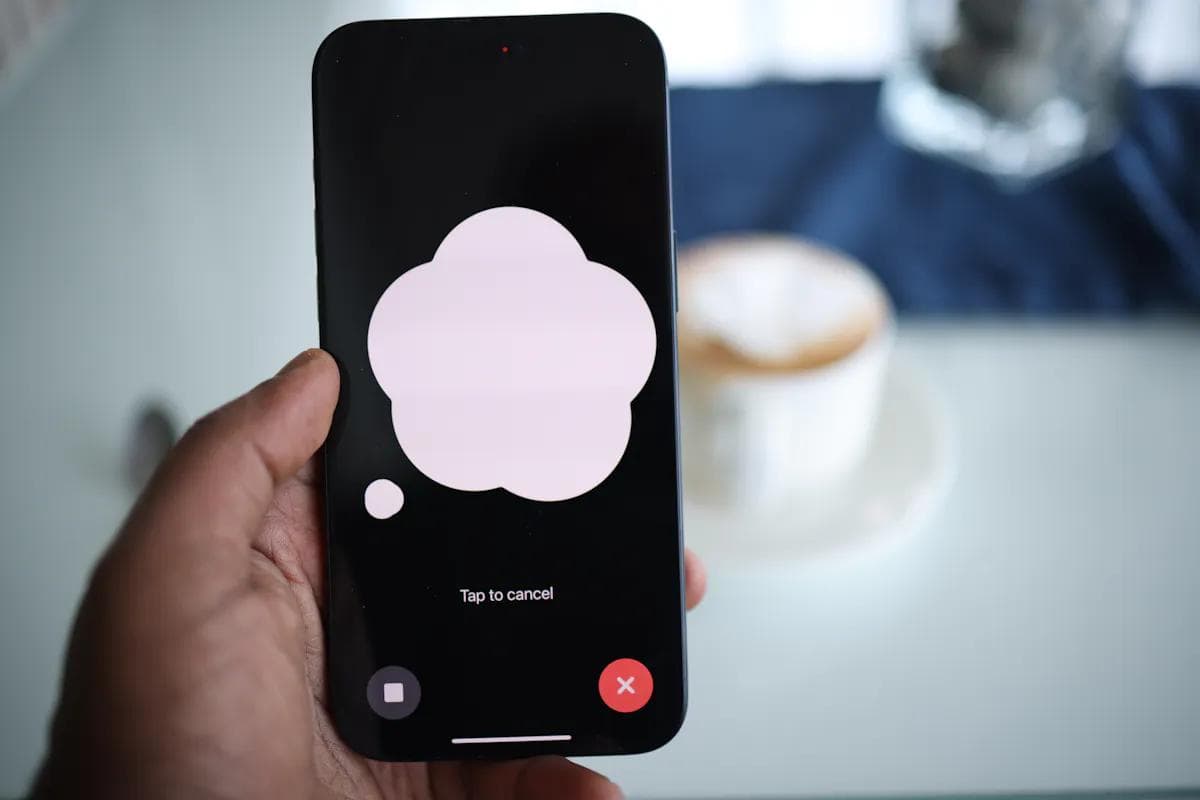
Imagine a world where every customer call is answered instantly, professionally, and accurately, 24/7, without ever sounding tired or overwhelmed. This isn't a futuristic dream; it's the reality offered by an AI phone receptionist today, and it's becoming indispensable for businesses aiming to thrive in 2026.
Defining the AI Phone Receptionist
At its core, an AI phone receptionist is an automated, voice-enabled virtual assistant designed to manage incoming calls using advanced conversational Artificial Intelligence. Unlike traditional touch-tone menus that frustrate callers, these systems leverage natural language processing (NLP) to understand caller intent and respond in a remarkably human-like manner. They pick up calls instantly, greet callers, and handle routine tasks without human intervention.
An AI phone receptionist ensures every call is a positive interaction, even outside business hours.
This technology goes far beyond simple call answering. It can schedule appointments, answer frequently asked questions, qualify leads, and intelligently route calls to the correct department or individual. The global conversational AI market is projected to reach approximately $30 billion by 2026, growing at a CAGR of 24%, indicating a massive shift towards these automated solutions.
Why This Matters for Your Business Today
The relevance of an AI virtual receptionist for modern businesses cannot be overstated. By 2026, one in ten agent interactions will be automated, significantly reducing the $1.3 trillion spent annually on customer service calls. Businesses can experience operational cost reductions of up to 70% per interaction, all while maintaining consistent, 24/7 availability.
Customers now expect instant service, making AI receptionists a competitive necessity.
Customers increasingly prefer self-service for simple tasks like scheduling, provided the interface is responsive. An AI phone receptionist delivers this responsiveness, integrating seamlessly with CRM platforms to offer personalized greetings and reference past interactions. This capability transforms basic call handling into a sophisticated customer engagement strategy.
For a deeper dive into how these systems are reshaping business communication, explore how an AI virtual receptionist setup can make calls effortless.
The Future of Reception in 2026
The capabilities of an automated reception 2026 go beyond basic interactions. Modern AI receptionists, like those provided by AI Placers, feature 'active listening' to detect background noise or caller distress, adjusting their tone accordingly. The emergence of 'latency-free' voice models means AI voices are nearly indistinguishable from humans, reducing response delays to under 500 milliseconds. This makes the interaction incredibly fluid and natural. Furthermore, 'Agentic AI' allows these receptionists to execute complex workflows, such as cross-referencing multiple calendars for meeting slots or processing secure payments via voice-to-text encryption. They even offer 'multilingual fluidity,' switching between 50+ languages mid-conversation based on caller preference.
Implementing an advanced AI phone receptionist isn't just about cutting costs; it's about elevating your customer service to a new standard of efficiency and responsiveness, ensuring your business is ready for the demands of tomorrow. To understand more about the full scope of their capabilities, read our guide on how to Streamline Your Business Calls with an AI Receptionist.
How Do AI Phone Receptionists Function: Decoding the 2026 Technology Behind Every Call?
The sophistication of an AI phone receptionist in 2026 far surpasses simple scripts, moving into a realm where artificial intelligence truly understands, adapts, and acts. At its core, this advanced capability is built on powerful natural language processing (NLP) that deciphers human speech, intent, and emotion with remarkable accuracy. This means no more rigid menus; callers can speak naturally, and the AI comprehends their needs.
The Brains Behind the Voice: NLP and RAG
Modern AI voice agents leverage cutting-edge NLP to not only understand what is said but also the underlying intent. This is critical for effective smart call handling. Coupled with Retrieval-Augmented Generation (RAG), the AI can access and synthesize information from a company's vast knowledge base in real-time. Imagine an AI that instantly pulls up product details or policy information to provide precise answers, much like a seasoned human agent.
This direct access to information prevents 'hallucinations' and ensures factual accuracy.
Another breakthrough is 'active listening,' where the AI identifies nuances like background noise or a caller's distress, adjusting its tone and approach accordingly. This empathy-driven interaction enhances the customer experience significantly. Furthermore, the emergence of 'latency-free' voice models, like those from OpenAI and ElevenLabs, has reduced response delays to under 500 milliseconds, making the AI's voice almost indistinguishable from a human's. For a deeper dive into how these agents transform operations, explore Unlocking Efficiency: How AI Voice Agents Transform Call Management in 2026.
Agentic AI and Seamless Integration
Beyond just answering questions, today's AI receptionist integrates seamlessly with Customer Relationship Management (CRM) platforms such as Salesforce or HubSpot. This allows the AI to greet callers by name, reference past interactions, and provide personalized service. This level of personalized engagement is a significant leap from traditional automated systems. Companies like AI Placers are pioneering these AI voice agents to ensure a smooth, no-code setup for businesses.
'Agentic AI' takes this a step further, empowering the receptionist to execute complex workflows. This includes cross-referencing multiple calendars to find meeting slots, processing secure payments via voice-to-text encryption, or even handling complex appointment scheduling. These capabilities move the AI beyond a simple answering service to a true operational assistant, as highlighted in Beyond Answering: Why AI Receptionists Are Key for Businesses in 2026. The ability to switch between 50+ languages mid-conversation, known as 'multilingual fluidity,' ensures global reach and inclusivity. Ultimately, these advanced technologies allow AI receptionists to provide consistent, efficient, and deeply human-like interactions, transforming how businesses manage their calls.
What Core Benefits Can AI Phone Receptionists Deliver to Your Customer Service?

Businesses today face an undeniable truth: customer expectations for immediate, consistent service are higher than ever. It's no longer enough to offer support during traditional business hours. This is where an advanced AI phone receptionist steps in, delivering transformative benefits that redefine customer service standards.
Uninterrupted 24/7 Call Coverage
One of the most compelling advantages is the ability to provide seamless, 24/7 call coverage. Imagine never missing a potential lead or an urgent customer inquiry, regardless of the time zone or holiday schedule. AI receptionists ensure every call is answered instantly, eliminating frustrating hold times and voicemails that often lead to customer churn. This constant availability ensures your business is always responsive, meeting the demands of today's fast-paced world.
Consistent availability builds trust and captures opportunities around the clock.
This continuous presence is a game-changer, especially when 60% of customers prefer self-service for simple tasks. An AI can handle these routine interactions anytime, anywhere, significantly boosting customer satisfaction.
Dramatically Lower Operational Costs
Implementing an AI phone receptionist fundamentally shifts your financial model for customer support. We've seen firsthand how businesses can achieve substantial savings, with AI receptionists reducing operational costs by up to 70% per interaction compared to traditional methods. These savings come from minimizing staffing needs, eliminating overtime, and optimizing resource allocation. It’s a powerful way to get more from your budget without sacrificing quality.
Lower operational costs free up resources for strategic growth.
Consistent and Professional Interaction
Human agents, no matter how dedicated, can have off days. An AI phone receptionist, however, delivers a consistently professional and on-brand experience with every interaction. They follow predefined scripts and access real-time information via Retrieval-Augmented Generation (RAG), ensuring accurate, uniform responses. This consistency protects your brand's reputation and guarantees a high standard of service that human teams sometimes struggle to maintain across vast call volumes.
Enhanced Efficiency and Superior Customer Experience
The efficiency gains from AI are staggering. By automating routine inquiries, appointment scheduling, and basic troubleshooting, AI phone receptionists free up your human team to focus on complex, high-value tasks that require empathy and nuanced problem-solving. This dual approach not only streamlines operations but also works to enhance calls AI provides, leading to a superior overall AI customer service experience. Your customers get quick, accurate answers, and your team can dedicate their expertise where it truly matters.
Our platform at AI Placers specializes in providing these advanced AI voice agents that sound human, offering businesses a no-code setup for seamless integration and improved customer satisfaction. This blend of cutting-edge technology and practical application is why an AI receptionist is not just an option for 2026, but a necessity for competitive advantage.
Embracing an AI phone receptionist means investing in a future where your customer service is always available, cost-effective, consistently professional, and exceptionally efficient.
How Can You Successfully Implement an AI Phone Receptionist in Your Operations?
Integrating an AI phone receptionist isn't just about automation; it's a strategic move to elevate your entire operation. To truly unlock the power of these advanced systems, a thoughtful, phased approach is essential. This ensures the technology delivers maximum value without disrupting your existing workflows, guiding you from identifying core needs to fostering seamless human-AI collaboration.
Defining Your AI Receptionist's Core Role
Before diving into any technical setup, ask yourself: What specific problems do you want your AI receptionist to solve? This initial step in implementing an AI receptionist is crucial. Whether you aim to offload routine inquiries, streamline appointment scheduling, or provide round-the-clock customer support, a precise understanding of your objectives will directly shape the AI's configuration and capabilities. This needs assessment ensures the technology is a tailored solution for your unique operational challenges, not just another piece of software.
Powering Personalization with CRM Integration
An intelligent AI phone receptionist truly shines when it understands context. That's why CRM integration AI is paramount. By seamlessly connecting your AI with existing Customer Relationship Management (CRM) platforms like Salesforce or HubSpot, the system gains real-time access to vital caller history, preferences, and relevant data. Imagine an AI that greets callers by name and references past interactions for a highly personalized experience. To explore the robust capabilities that enable these deep connections, you can review AI Placers' features.
Establishing Clear AI Guardrails
To maintain unwavering brand consistency and prevent any unintended or off-script responses, setting robust AI guardrails is absolutely critical. These predefined rules and parameters are your AI's operational blueprint, dictating its scope of knowledge, permissible actions, and conversational boundaries. Such guardrails prevent the AI from hallucinating, making unauthorized promises, or veering outside its designated role, ensuring every interaction aligns with your brand values.
Fostering Seamless Human-AI Collaboration
The ultimate goal of implementing an AI receptionist isn't replacement, but enhancement. True success lies in fostering seamless human-AI collaboration. This means designing workflows where the AI handles routine, high-volume tasks, freeing your human team to focus on complex inquiries, empathetic problem-solving, and building deeper customer relationships. Establish clear hand-off protocols, where the AI can intelligently escalate calls to a human agent when needed, providing all necessary context. Regular training and feedback loops between your team and the AI's performance data will optimize this partnership, creating a powerful synergy that elevates overall service quality.
What Best Practices Maximize the Performance of Your AI Phone Receptionist?

Maximizing your AI phone receptionist's impact requires more than just initial setup; it demands a strategic approach to continuous improvement. As we've seen, customers expect responsive, intelligent interactions, with 60% preferring self-service for simple tasks when the interface is intuitive. This means businesses must actively refine their AI's capabilities to meet evolving caller expectations.
The Iterative Loop: Monitoring and Adapting
Effective AI performance optimization begins with consistent monitoring and analysis. Regularly review call logs, interaction outcomes, and caller feedback to identify areas for improvement. Are there common questions the AI struggles with, or conversational dead ends? Real-time reporting and performance analytics are your eyes and ears into your AI's daily operations.
This isn't a set-it-and-forget-it solution; it's an ongoing process of refinement. Businesses that treat their AI receptionist as an evolving team member will always outperform those that don't. Continuously adapting to caller feedback ensures your virtual assistant calls are always improving.
Unleashing Agentic AI for Deeper Engagement
The power of modern AI lies in its ability to execute complex, multi-step tasks, a concept known as Agentic AI. This moves beyond simple question-answering to active problem-solving. For instance, an AI receptionist can now cross-reference multiple calendars to find an optimal meeting slot, process secure payments via voice-to-text encryption, or even initiate follow-up actions based on a conversation.
Agentic AI transforms your receptionist from a passive responder to an active problem-solver.
Platforms like AI Placers empower businesses to deploy these advanced AI voice agents with no-code setup, enabling sophisticated customer service automation without extensive technical knowledge. To see how AI voice agents can enhance customer experience, consider this example:
This level of call handling efficiency frees up human teams for more nuanced, high-value interactions. You can explore more about mastering your AI phone receptionist by reviewing resources like our blog on seamless calls in 2026.
Embracing Multilingual Fluidity
In today's global market, the ability to communicate across languages is a significant competitive advantage. Ensuring multilingual fluidity means your AI receptionist can seamlessly switch between 50+ languages mid-conversation, based on the caller's preference, as highlighted by recent trends. This removes language barriers, vastly expanding your customer reach and improving customer satisfaction.
Offering multilingual support ensures every caller feels understood and valued, regardless of their native tongue. This capability is a cornerstone of modern AI phone assistants, significantly enhancing the customer experience, as discussed in AI phone assistants: the 4 best use cases. By implementing these best practices, businesses can elevate their AI receptionist performance, ensuring every interaction is efficient, intelligent, and customer-centric.
Can AI Phone Receptionists Solve Common Call Handling Challenges and What Does the Future Hold?
AI phone receptionists are rapidly transforming call handling, yet concerns about reliability and future capabilities persist. I view these as key areas for strategic improvement.
Overcoming Call Handling Challenges with Advanced AI Troubleshooting
A common concern is AI "hallucinations" or misinterpretations. Robust AI troubleshooting and careful implementation are paramount. Leveraging Retrieval-Augmented Generation (RAG), AI accesses specific knowledge bases, significantly reducing errors. Implementing clear guardrails prevents AI from making unauthorized promises. Continuous monitoring and feedback refine performance, as AI Placers' no-code setup allows easy parameter definition for controlled interactions, detailed in our guide to optimizing client calls with AI receptionists.
The Future of Customer Service: A Predictive AI Receptionist Outlook
The AI receptionist outlook for 2026 and beyond is incredibly dynamic, fundamentally shifting the future of customer service. Moving beyond basic routing, AI will offer deeper call triage, assessing caller intent, urgency, and emotional cues for personalized experiences. Smart routing AI will evolve into full-service triage, collecting structured information, initiating complex bookings, or proactively sending links. This proactive engagement boosts efficiency and satisfaction, supporting the projected $30 billion conversational AI market by 2026.
Advanced 'Agentic AI' capabilities, highlighted in the AI Receptionist Outlook for 2026 and Beyond, empower complex workflows including multilingual fluidity and latency-free interaction, making AI voices nearly human, as discussed in AI Receptionist vs Call Center: 2026 Phone Strategy. Businesses can explore tailored solutions on the AI Placers pricing page.
Are You Ready to Transform Your Customer Service with AI Phone Receptionists?

The shift from traditional customer service to an AI-powered future is not just an upgrade; it's a fundamental customer service transformation. We've explored how a modern AI phone receptionist goes beyond simple automation, becoming a strategic asset for businesses in 2026. This technology, capable of 'active listening,' multilingual fluidity, and 'Agentic AI' workflows, is poised to enhance calls AI by providing instant, intelligent, and personalized interactions.
Businesses no longer need to choose between efficiency and human-like engagement. With the global conversational AI market projected to hit $30 billion by 2026, and customers increasingly preferring self-service for routine tasks, embracing an AI calling agent isn't merely innovative,it's essential for staying competitive. It significantly reduces operational costs, offering up to a 70% reduction per interaction, while ensuring 24/7 availability and consistent service quality.
The future of customer service is responsive, intelligent, and always available.
For businesses ready to lead this charge, a platform like AI Placers offers robust AI voice agents with no-code setup and seamless integration. These solutions empower you to deliver consistent, high-quality service, meeting evolving customer expectations head-on. To delve deeper into how AI can revolutionize your inbound call handling, explore the comprehensive guide on the AI Receptionist: The Smarter Way to Answer Every Business Call. Are you prepared to transform your customer interactions and secure your competitive edge? The time to adopt advanced AI phone receptionist technology is now.
Ready to revolutionize your customer interactions and cut costs? Discover how AI voice agents from AI Placers can provide human-like, 24/7 support. Get started today!
People Also Ask
What is an AI phone receptionist and how does it differ from a traditional receptionist?
An AI phone receptionist is a sophisticated software system that uses artificial intelligence, natural language processing (NLP), and voice recognition to handle incoming calls. Unlike human receptionists, AI receptionists offer 24/7 availability, can manage a high volume of calls simultaneously, and significantly reduce operational costs by up to 70% per interaction. They are programmed to perform tasks like scheduling appointments, answering FAQs, and routing calls, all while providing a consistent and professional experience.
How can AI phone receptionists reduce operational costs for businesses?
AI phone receptionists drastically cut operational expenses by automating repetitive tasks that would otherwise require human staff. This includes call handling, appointment setting, and basic customer inquiries. By reducing the need for a large human support team and minimizing errors, businesses can achieve cost savings of up to 70% per interaction, freeing up human agents for more complex and high-value customer issues.
What are the key technological advancements driving AI phone receptionists in 2026?
By 2026, AI phone receptionists are powered by advanced technologies like Retrieval-Augmented Generation (RAG) for real-time knowledge base access, 'active listening' to detect caller sentiment, and 'latency-free' voice models for near-human indistinguishable speech. Furthermore, 'Agentic AI' enables them to execute complex workflows, and 'multilingual fluidity' allows seamless switching between over 50 languages, significantly enhancing global customer interactions.
How do AI phone receptionists ensure a positive customer experience?
AI phone receptionists enhance customer experience through instant responses, 24/7 availability, and consistent service quality. They can greet callers by name, reference past interactions via CRM integration, and handle simple tasks efficiently, often preferred by customers for self-service. Advanced AI can also adapt its tone based on caller sentiment, ensuring a more empathetic and personalized interaction.
What are the essential steps for implementing an AI phone receptionist?
Successful implementation involves assessing your business needs, selecting a robust AI platform, and integrating it with existing CRM and communication systems. Crucially, you must define 'guardrails'—specific rules to guide the AI's responses and prevent errors. Continuous training, monitoring, and fostering collaboration between AI and human agents are also vital for maximizing performance and ensuring customer satisfaction.
Can AI phone receptionists handle calls in multiple languages?
Yes, advanced AI phone receptionists in 2026 are increasingly capable of 'multilingual fluidity,' meaning they can detect and switch between dozens of languages seamlessly during a single conversation. This capability is crucial for businesses with a global customer base, ensuring that every caller receives support in their preferred language without delay.